
Post-op rehab at home vs hospital: which is right for you?
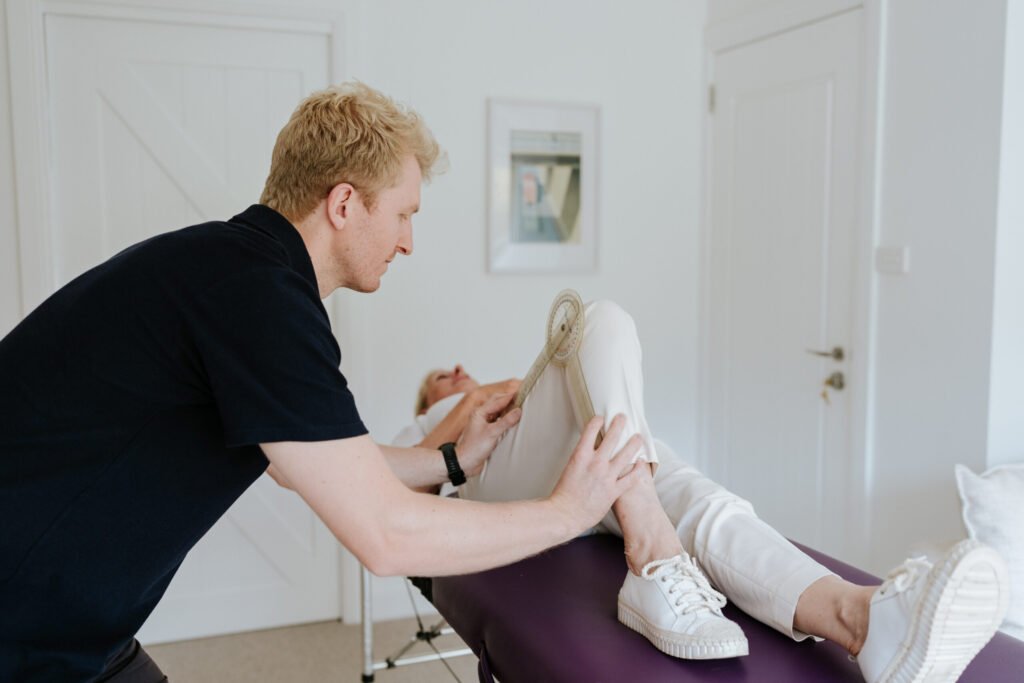
For a lot of people recovering from surgery, rehab at home works just as well as a stay in a rehab hospital, provided it’s structured, supervised and you have support at home. After your operation, you may be asked: “Will you go to rehab, or home?” Here’s what each option involves, what the research says, […]
The Impact of Physiotherapy on Quality of Life for the Elderly

Maintaining a good quality of life becomes increasingly important as we age, and physiotherapy can play a significant role in achieving that. Many older Australians face challenges such as reduced mobility, chronic pain, and conditions like arthritis or osteoporosis. Physiotherapy offers tailored solutions to help manage these issues and enhance overall well-being. Understanding the Needs […]
Why Consistent Movement Changes Everything
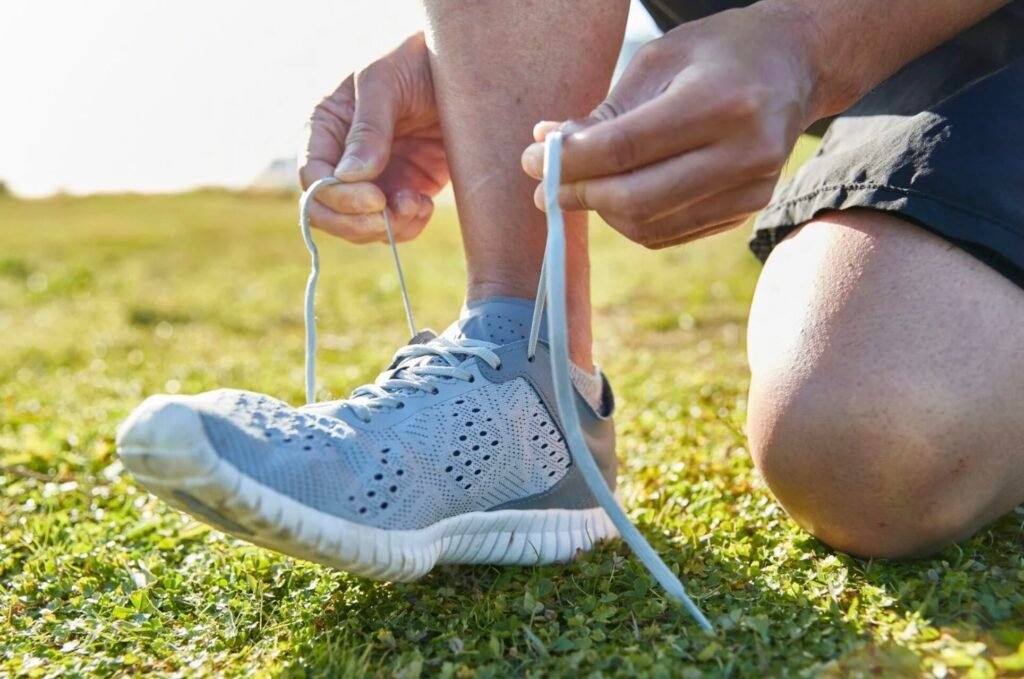
Most people know that exercise is good for them. That’s not the problem. The problem is that knowing something and doing it consistently are two very different things, and for a lot of the clients we work with, consistency is exactly where things fall apart. It’s not laziness. It’s not lack of motivation. It’s usually […]
Building an At-Home Exercise Routine You Can Actually Stick To

At-home exercise has become a long-term solution for many people, but without structure, motivation or guidance, routines often fall apart. A sustainable at-home workout plan isn’t about doing more — it’s about doing what works for your body, lifestyle, and goals. Start With Purpose The most effective workout plans are goal-driven. Whether your aim is […]
Why Ongoing Physiotherapy Matters More Than One-Off Treatment
The Limitations of One-Off Appointments It’s common to seek physiotherapy when pain becomes disruptive, attend a session or two, and stop once symptoms ease. While this approach can provide temporary relief, it often doesn’t resolve the underlying cause of the problem. Pain reduction is only one part of rehabilitation — without addressing strength, movement patterns, […]
How Community and Allied Health Support the Cancer Journey
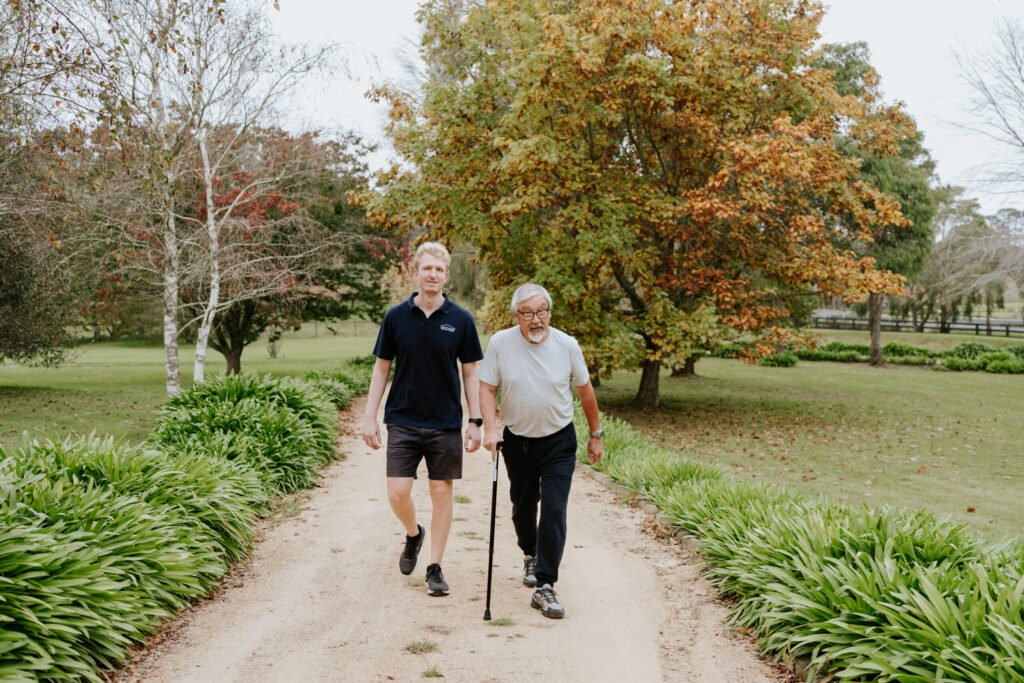
A cancer diagnosis changes everything. The treatment path, the daily routine, the way the body feels and functions. It’s one of those moments where the medical system becomes the centre of someone’s life, often very suddenly. And while oncologists, surgeons and specialists lead the way, there’s a whole layer of support that sits alongside that […]
How Allied Health Supports Brain Injury Rehabilitation

Brain injury is one of the most complex things a person can navigate. Whether it’s the result of a stroke, a traumatic incident, a tumour or another neurological event, the impact reaches into almost every area of life. Cognition, movement, communication, independence. Often all at once. Recovery looks different for everyone, but one thing that’s […]
How Movement Supports Blood Sugar Management

Managing blood sugar is one of the central challenges of living with diabetes. Medication and diet rightly get a lot of attention, but exercise is one of the most powerful tools available. Not as an afterthought, but as a genuine first-line strategy. Here’s what the evidence says, and what it means in practice. Why movement […]
Living Well with Diabetes: The Role of Allied Health at Home

Diabetes touches almost every part of daily life. How you move, how you sleep, how your body feels from one day to the next. Managing it well rarely comes down to one thing, and in my experience, the people who do best have a team around them. More than medication The clinical side of diabetes […]
Managing Chronic Pain with Physiotherapy

Chronic pain is a complex and often frustrating condition that affects millions of Australians. It can stem from various sources, injuries, surgeries, or conditions such as arthritis and fibromyalgia. Unlike acute pain, which usually goes away with treatment, chronic pain sticks around for months or even years, making it essential to adopt a multifaceted approach […]
The Connection Between Sleep and Pain Management

Did you know that the quality of your sleep can directly affect how you experience pain? At LeapCare, we often see clients struggling with chronic pain who also report poor sleep – and science shows the two are closely linked. When you don’t get enough restorative sleep, your body’s natural healing processes slow down. This […]
Why Joint Pain Feels Worse in Winter — and What Actually Helps

If your knees, hips, or shoulders seem to protest more on cold Sydney mornings, you’re not imagining it. As we head into winter, many people with arthritis, old injuries, or chronic joint conditions notice a clear worsening of symptoms as the temperature drops. Why Does Cold Weather Affect Joints? Several factors are likely at play. […]
Staying Active Indoors: A Physio’s Guide to Winter Movement When It’s Cold or Wet

As Sydney settles into winter, the drop in temperature and increase in wet weather can make it easy to put exercise on hold. But staying active through the cooler months is one of the best things you can do for your body — and it doesn’t require a gym membership or a lot of space. […]
Mobility or Flexibility? Understanding What Your Body Really Needs

Mobility and flexibility are often used interchangeably, but they are not the same — and understanding the difference can significantly impact your movement and injury risk. What Is Flexibility? Flexibility refers to how far a muscle can stretch. It’s influenced by muscle length, tissue elasticity, and nervous system tolerance. Stretching improves flexibility, but flexibility alone […]
Vitamin D, Sunlight and Bone Health Through an Australian Winter

Australia has a reputation for sunshine, but winter tells a different story — particularly in Sydney and further south. Shorter days, cooler temperatures, and more time spent indoors mean that many Australians don’t get as much sun exposure as they think during the cooler months. For bone health, this matters more than most people realise. […]
Physiotherapy and Men’s Health: Supporting Strength, Mobility and Longevity

Why Men’s Health Matters Men are statistically less likely to seek healthcare early, often waiting until pain or injury significantly impacts daily life. Physiotherapy plays a vital role in supporting men’s health by addressing issues early, improving movement, and maintaining physical independence across all stages of life. Common Reasons Men See a Physio Men commonly […]