For a lot of people recovering from surgery, rehab at home works just as well as a stay in a rehab hospital, provided it’s structured, supervised and you have support at home.
After your operation, you may be asked: “Will you go to rehab, or home?” Here’s what each option involves, what the research says, and how to work out which suits you.
What each option involves
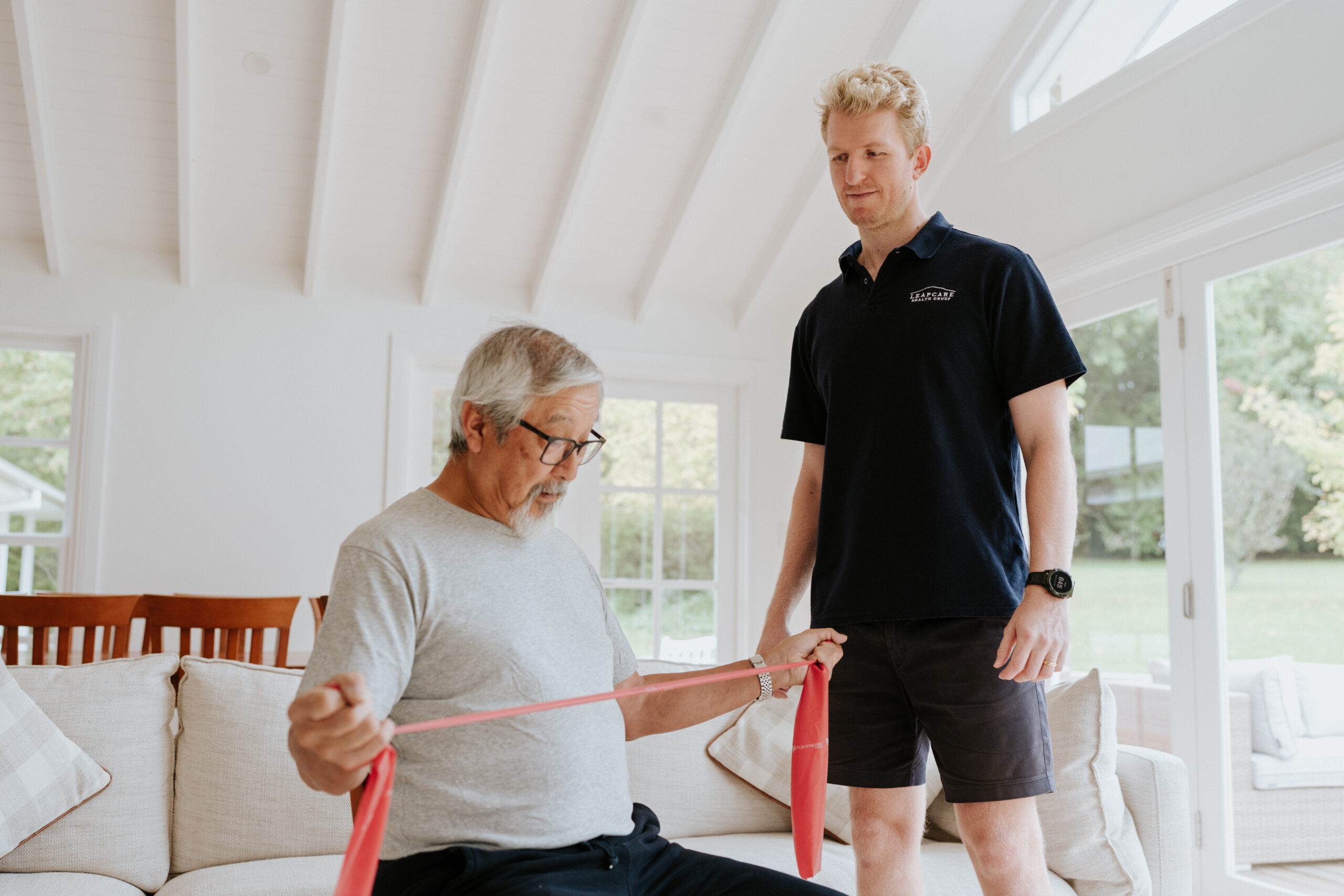
Inpatient rehab means moving from the surgical ward to a rehab hospital or unit for daily physio and around-the-clock nursing. Home-based rehab means going straight home and following a structured program, guided by a physio through home visits or telehealth.
| Inpatient rehab | Home-based rehab | |
| Where | Rehab hospital or unit | Your own home |
| Typical length | 1–3 weeks | 6–8 week guided program |
| Supervision | Daily physio and 24/7 nursing | Physio visits or telehealth |
| Help with daily tasks | Staff on hand | Family, carers or community services |
| Cost | Often private-insurance funded as part of your hospital admission | Often privately funded with contributions from Medicare or private health insurance |
What the evidence says
The best research comes from right here in Sydney, and it found no extra benefit from inpatient rehab after an uncomplicated knee replacement.
The HIHO trial, published in JAMA in 2017, randomly assigned 165 knee replacement patients to either 10 days of inpatient rehab plus a home program, or the supervised home program alone. Walking ability, pain and function were the same in both groups up to a year later.
A 2019 review of all the trials agreed: home rehab is a suitable first choice after uncomplicated knee replacement for people with good support. These studies didn’t include people with complications or other operations, so the picture may differ for them.
Our view: Many of our patients find they recover more comfortably at home: their own bed, their own routine, and less time around other unwell people in a hospital setting. For people with good support, we think that’s a real advantage.
Which suits you?
Home rehab is often a good fit if you:
- had an uncomplicated operation and are walking safely with an aid
- have someone to help for the first week or two
- can move around your home safely
Inpatient rehab may be better if you:
- had complications, a revision or complex surgery
- live alone with no one to check in on you
- have other conditions affecting balance, memory or healing
Making home rehab work
- Prepare your home before surgery. Clear trip hazards and set up a firm chair, shower chair and raised toilet seat if advised.
- Line up help with meals, shopping, driving and pets.
- Book your first physio session before you leave hospital.
- Exercise little and often, and take pain relief as prescribed so you can move properly.
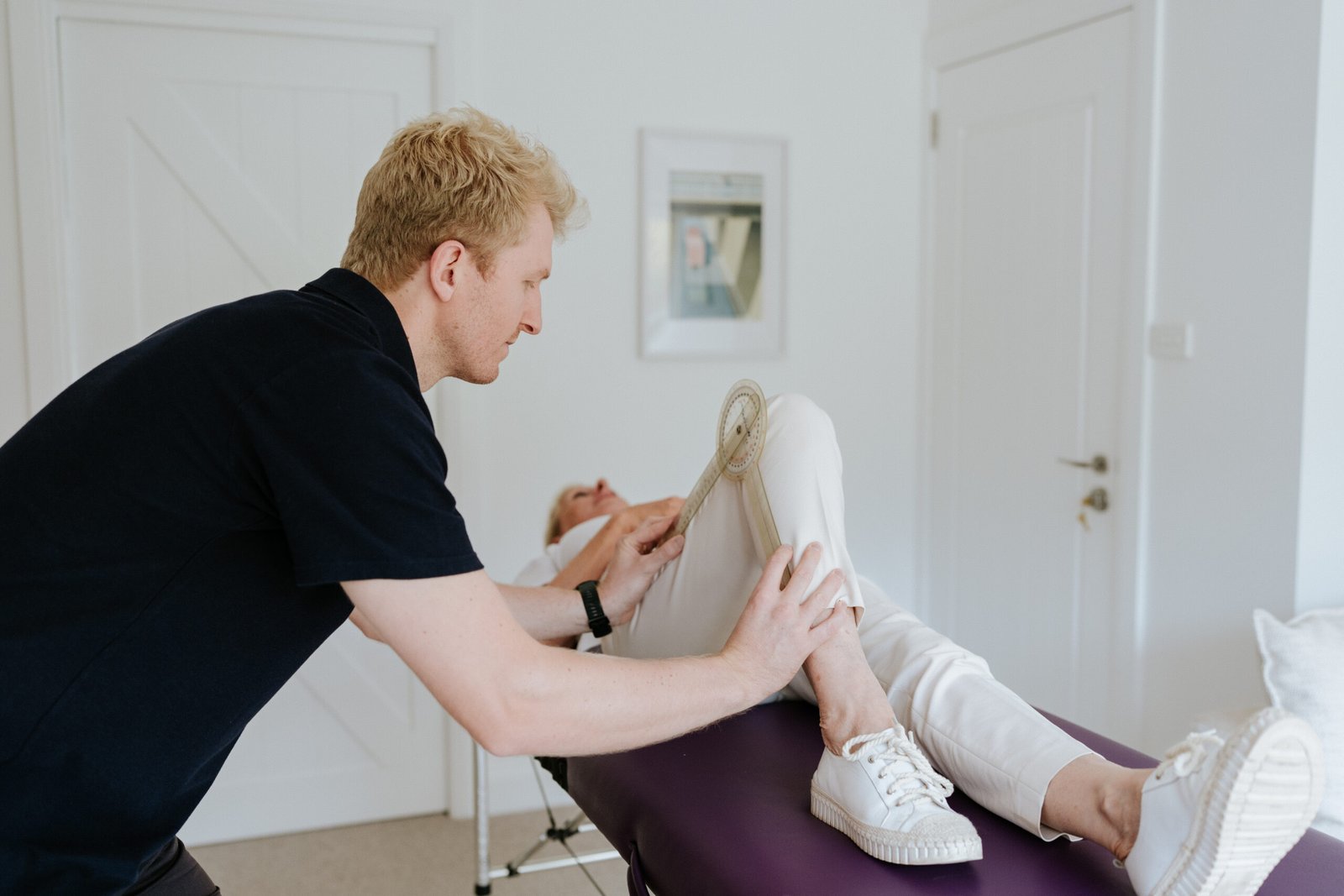
- Track your progress, such as how far you walk and how much your joint bends.
Contact your doctor straight away if you notice increasing wound redness or discharge, fever, calf pain or swelling, or shortness of breath. Call 000 in an emergency.
Questions to ask before you decide
Raise these with your surgeon and physio before your operation:
- Is home rehab safe for me, given my surgery and health?
- Who will supervise my home program, and how often?
- What does my health insurance or Medicare cover for each option?
Ready to plan your recovery? Our physiotherapists can build a home rehab program around your surgery and goals. Book an appointment or call us on 0436 965 198.
This article is general information only and isn’t a substitute for advice from your surgeon or physiotherapist.
Sources
- Buhagiar MA et al. Effect of inpatient rehabilitation vs a monitored home-based program on mobility after total knee arthroplasty: the HIHO randomized clinical trial. JAMA, 2017.
- Buhagiar MA et al. Assessment of outcomes of inpatient or clinic-based vs home-based rehabilitation after total knee arthroplasty: a systematic review and meta-analysis. JAMA Network Open, 2019.