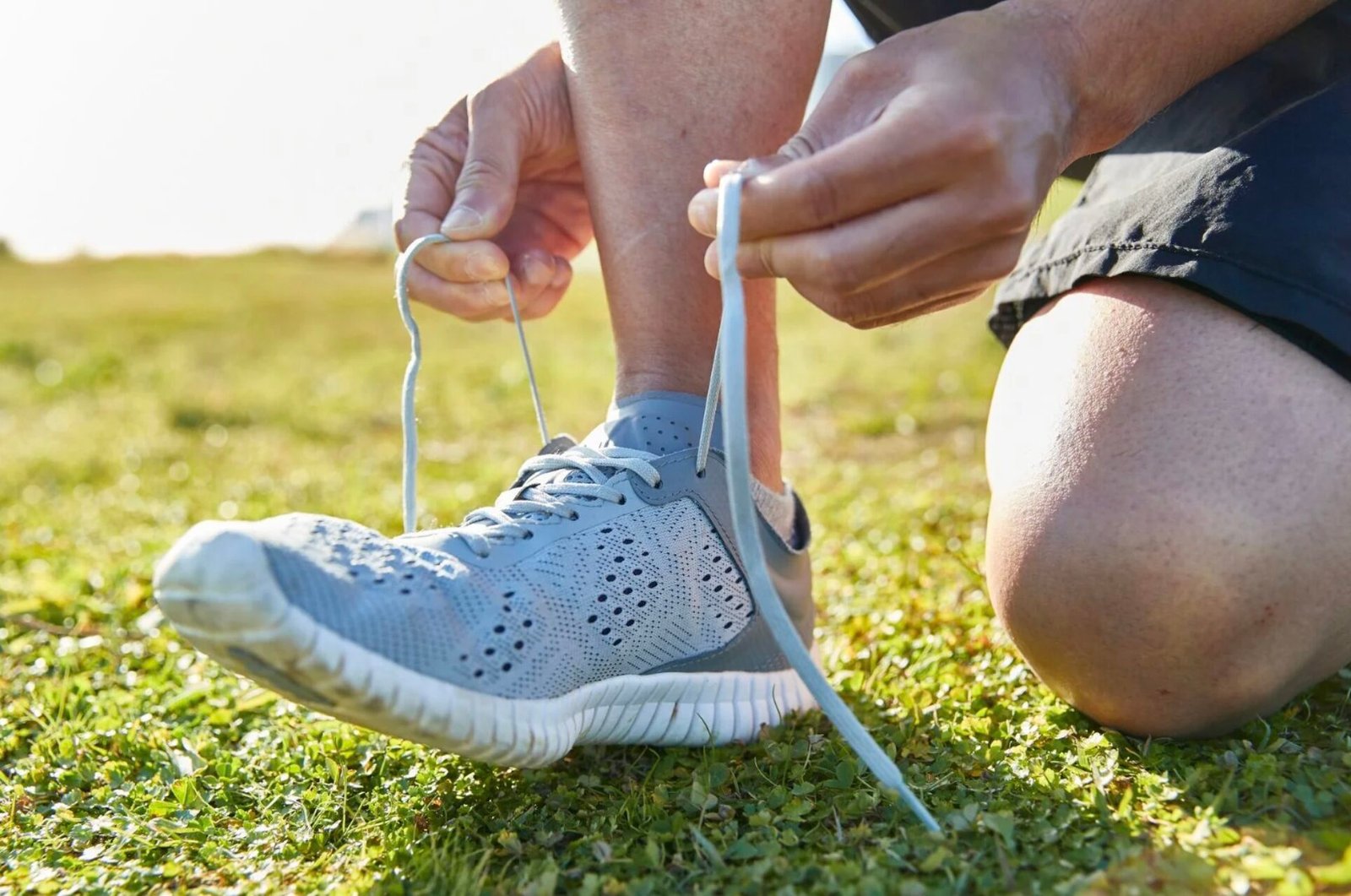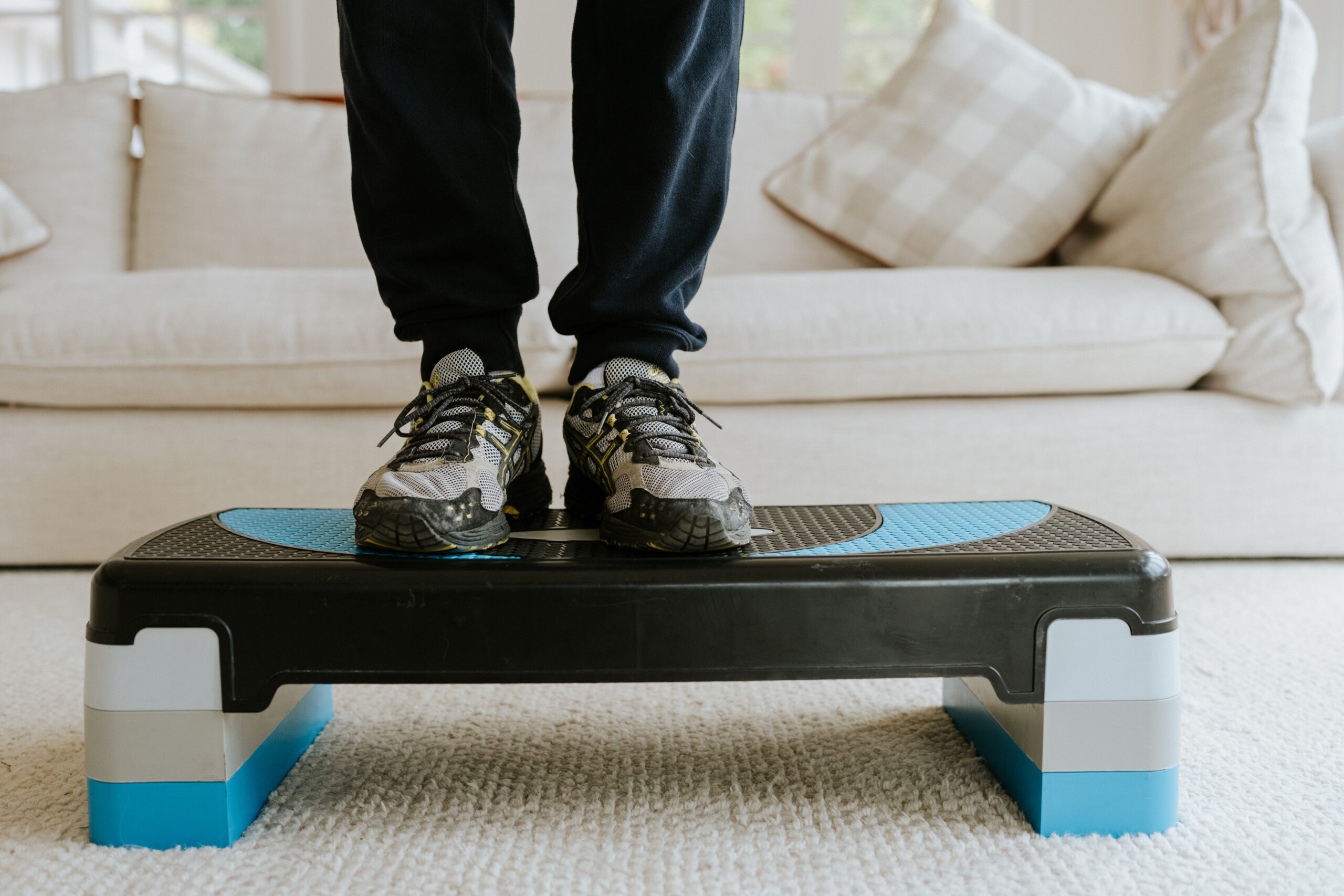
Whether you’re heading out for a coastal walk, tackling a gym session, or jumping into a Pilates class, how you prepare your body matters. Evidence shows that effective warm-ups and cool-downs reduce injury risk, improve performance, and support long-term mobility. Here’s what research tells us actually works.
Why Warm-Ups Matter
A proper warm-up increases blood flow, raises muscle temperature, and prepares your nervous system for movement. Studies consistently show that a structured warm-up can significantly reduce soft-tissue injuries, especially around the knees, ankles, and shoulders.
What an Evidence-Based Warm-Up Looks Like
Research supports warm-ups that combine mobility, activation, and light cardiovascular work. A simple routine might include:
Dynamic mobility
Leg swings, arm circles, trunk rotations are movements that gently take joints through range without holding positions.
Light cardio
A brisk walk, stationary bike, or marching on the spot for 2–3 minutes to elevate heart rate.
Muscle activation
Glute bridges, mini squats, banded rows, or calf raises to “wake up” key muscle groups before loading them.
This combination has been shown to improve movement efficiency, balance, and neuromuscular control which are all key components of injury prevention.
Why Cool-Downs Matter
Cooling down helps your body transition back to rest. Evidence shows that while cool-downs don’t necessarily prevent injury, they do assist with circulation, reduce post-exercise soreness, and support flexibility over time.
What a Research-Backed Cool-Down Includes
Gentle movement
A slow walk or light cycling for 3–5 minutes to bring the heart rate down gradually.
Static stretching
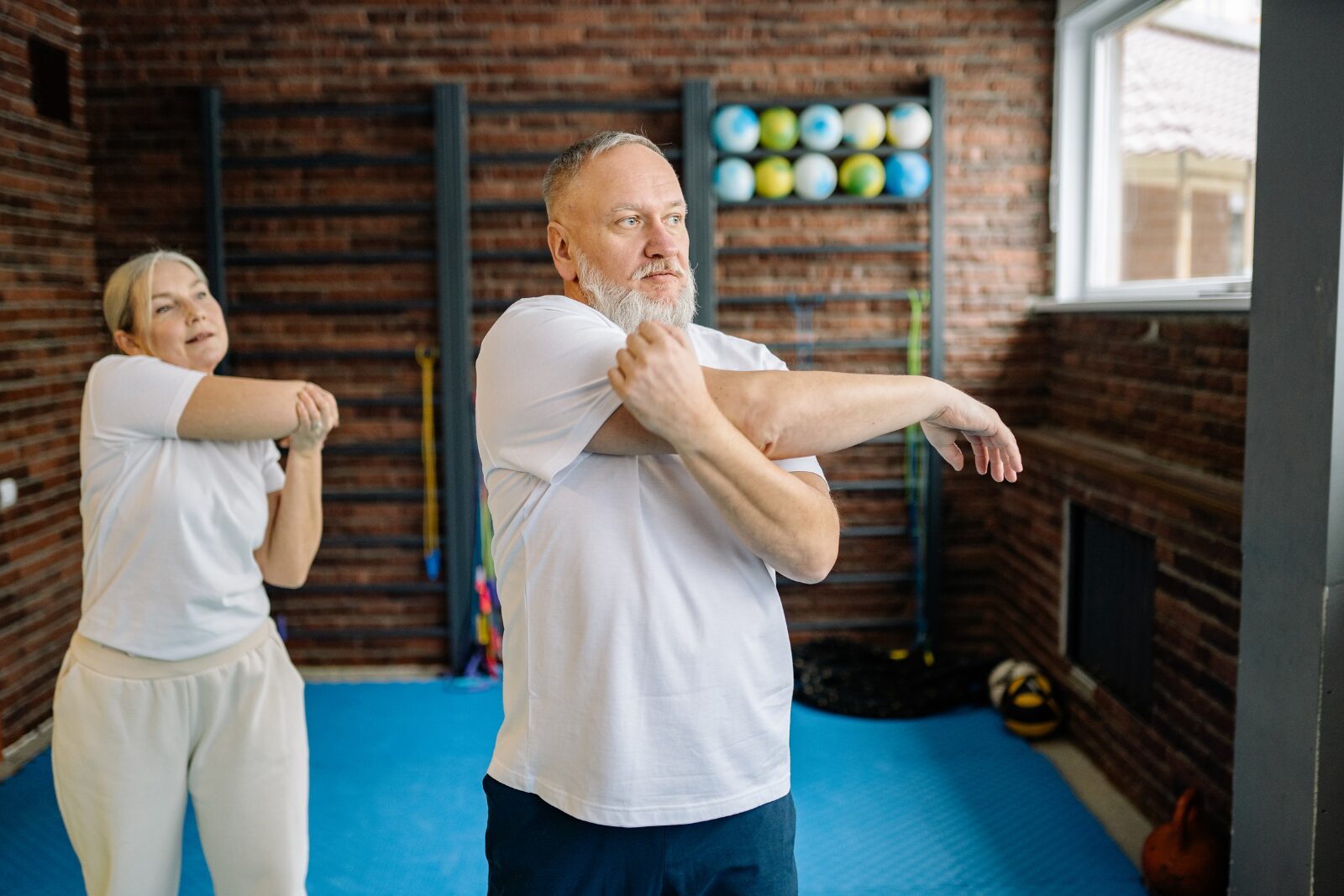
Holding stretches for major muscle groups (20–30 seconds each). Research suggests static stretching after exercise can help maintain or slightly improve flexibility.
Breathing work
Slow, diaphragmatic breathing helps the nervous system shift into recovery mode, lowering heart rate and reducing muscle tension.
The Takeaway
Warm-ups prepare your body. Cool-downs help it recover. Both are simple, evidence-based ways to improve how you feel and move. If you’re unsure where to start or need a routine tailored to your goals, a physiotherapist can design a personalised plan that fits your lifestyle and activity level.