Brain injury is one of the most complex things a person can navigate. Whether it’s the result of a stroke, a traumatic incident, a tumour or another neurological event, the impact reaches into almost every area of life. Cognition, movement, communication, independence. Often all at once.
Recovery looks different for everyone, but one thing that’s consistent in both the evidence and in practice is that early, sustained allied health input makes a meaningful difference to outcomes. Not just in the acute phase, but across the months and years that follow.
Why rehabilitation takes a team
The brain’s ability to form new connections and reorganise itself, neuroplasticity, is the foundation of rehabilitation after injury. But that process doesn’t happen passively. It’s driven by repetition, practice and the right kind of stimulus, delivered consistently over time. No single discipline can cover all of that, which is why physiotherapy, exercise physiology and occupational therapy each play a distinct role in recovery.
Physiotherapy
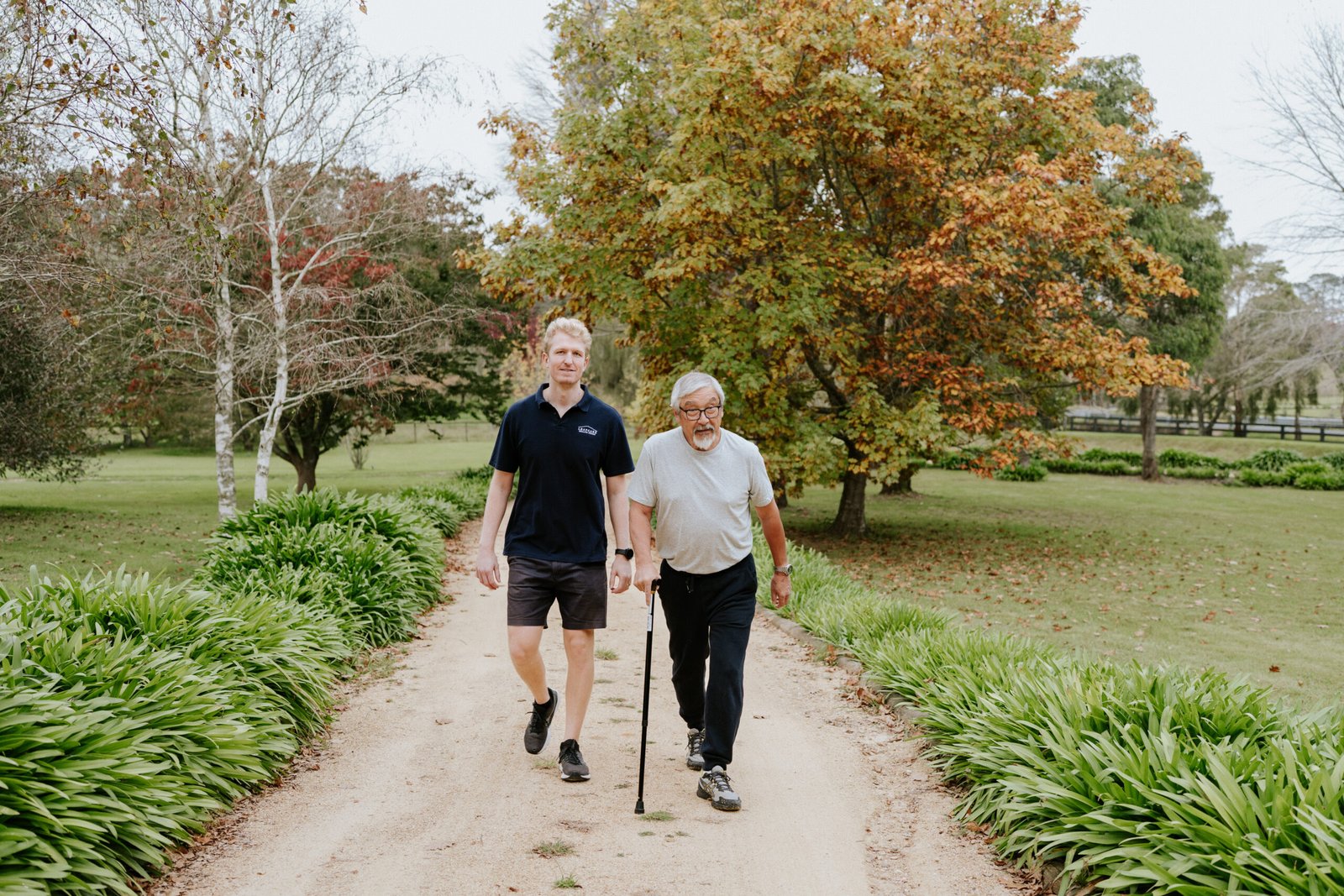
After a brain injury, movement is often the most visible challenge. Weakness, spasticity, poor balance, altered coordination. Physiotherapy works with these directly, from helping someone relearn how to transfer safely in the early stages, through to building strength, improving movement quality, and working toward the functional goals that matter most to that person. Getting back into the garden. Walking to the end of the street. Managing the stairs.
For neurological conditions the approach needs to be grounded in neuroscience. Task-specific training, high repetition, progressive challenge. It’s precise work and it takes time.
Exercise Physiology
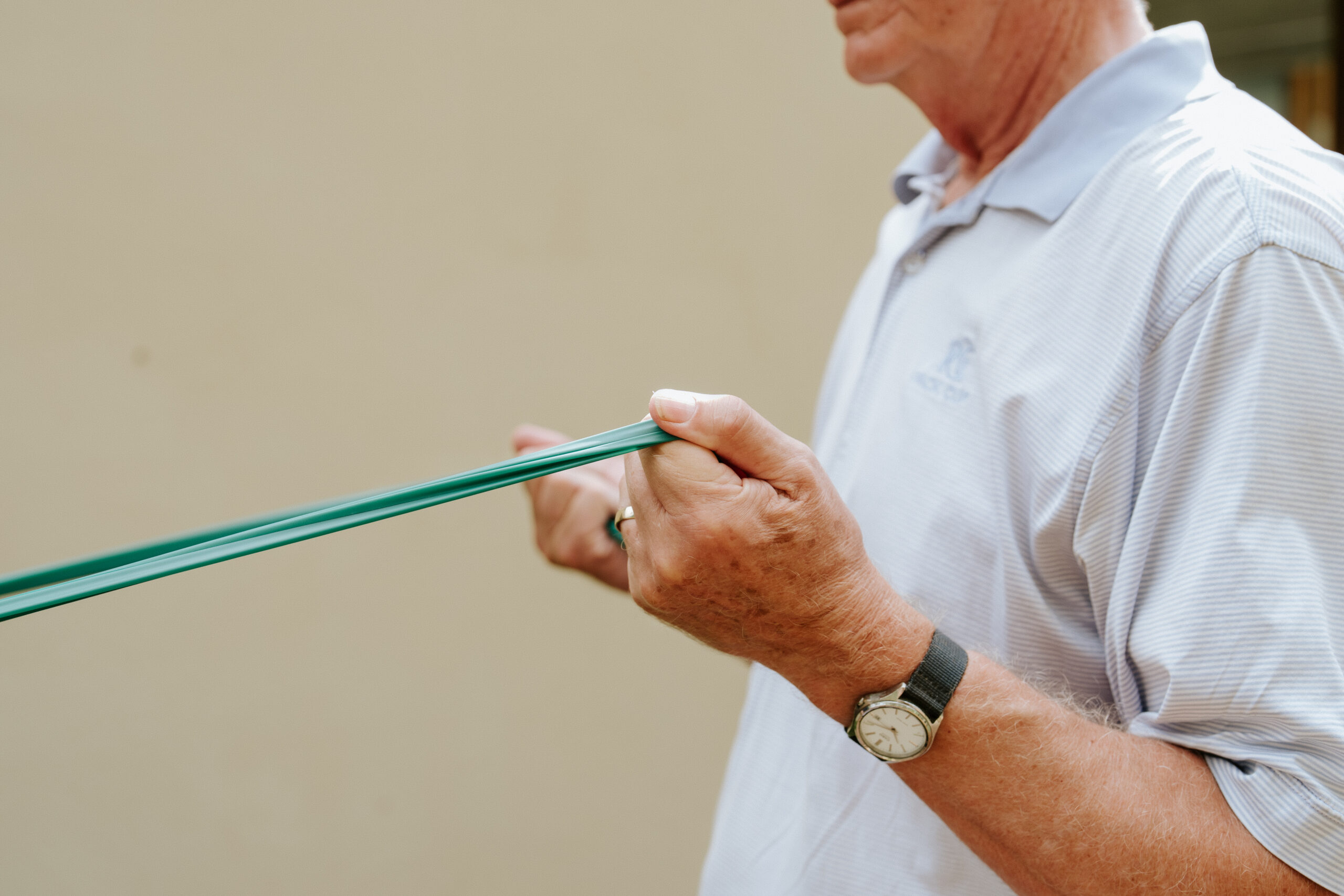
Fatigue is one of the most common and least visible effects of brain injury, and it significantly affects someone’s capacity to engage with rehabilitation. Exercise physiologists understand how to work within that constraint, building physical capacity gradually without tipping someone into a cycle of overexertion and crash. Structured exercise also supports mood, sleep and cognitive function, all of which matter enormously in recovery.
Occupational Therapy
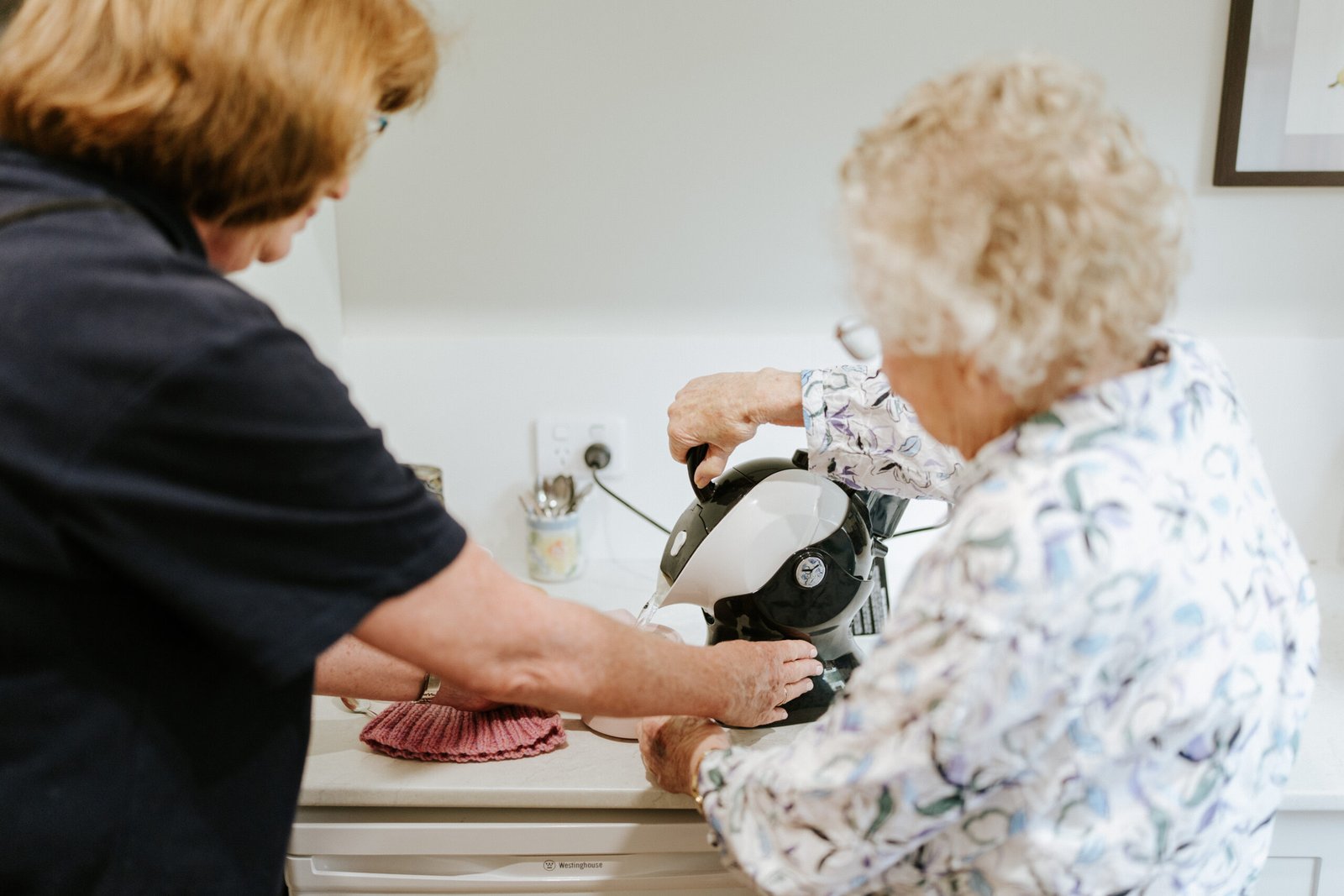
Brain injury frequently affects the ability to carry out everyday tasks. Getting dressed, preparing food, managing a phone. Occupational therapists work with people to rebuild these skills, adapt tasks and environments to match current capacity, and put strategies in place that reduce the load on a brain that’s working harder than usual.
The value of home-based rehabilitation
For people recovering from brain injury, getting to a clinic can be a significant undertaking. Home-based care removes that barrier. The clinician comes to the person in the environment where daily life actually happens, which means rehabilitation can be embedded into real routines rather than practised in a clinic and hoped to transfer.
Where we fit in
At LeapCare we work with clients across Sydney living with the effects of acquired brain injury, stroke and other neurological conditions. All of our services are delivered in the home. If you have a client or loved one in recovery who could benefit from home-based allied health support, we’d love to hear from you.