A cancer diagnosis changes everything. The treatment path, the daily routine, the way the body feels and functions. It’s one of those moments where the medical system becomes the centre of someone’s life, often very suddenly. And while oncologists, surgeons and specialists lead the way, there’s a whole layer of support that sits alongside that care and makes an enormous difference to how people actually live through it.
That’s the space community and allied health occupies.
What allied health brings to cancer care
Cancer treatment is hard on the body. Chemotherapy, radiation, surgery and the medications that support them all carry physical side effects that can linger long after active treatment ends. Fatigue, pain, reduced strength, balance problems, lymphoedema, changes in mobility and function. These aren’t minor inconveniences. For a lot of people they’re the thing that most affects quality of life.
Allied health professionals, physiotherapists, exercise physiologists and occupational therapists, are trained to work with exactly these kinds of challenges. Not to treat the cancer itself, but to support the person living with it and through it.
Physiotherapy
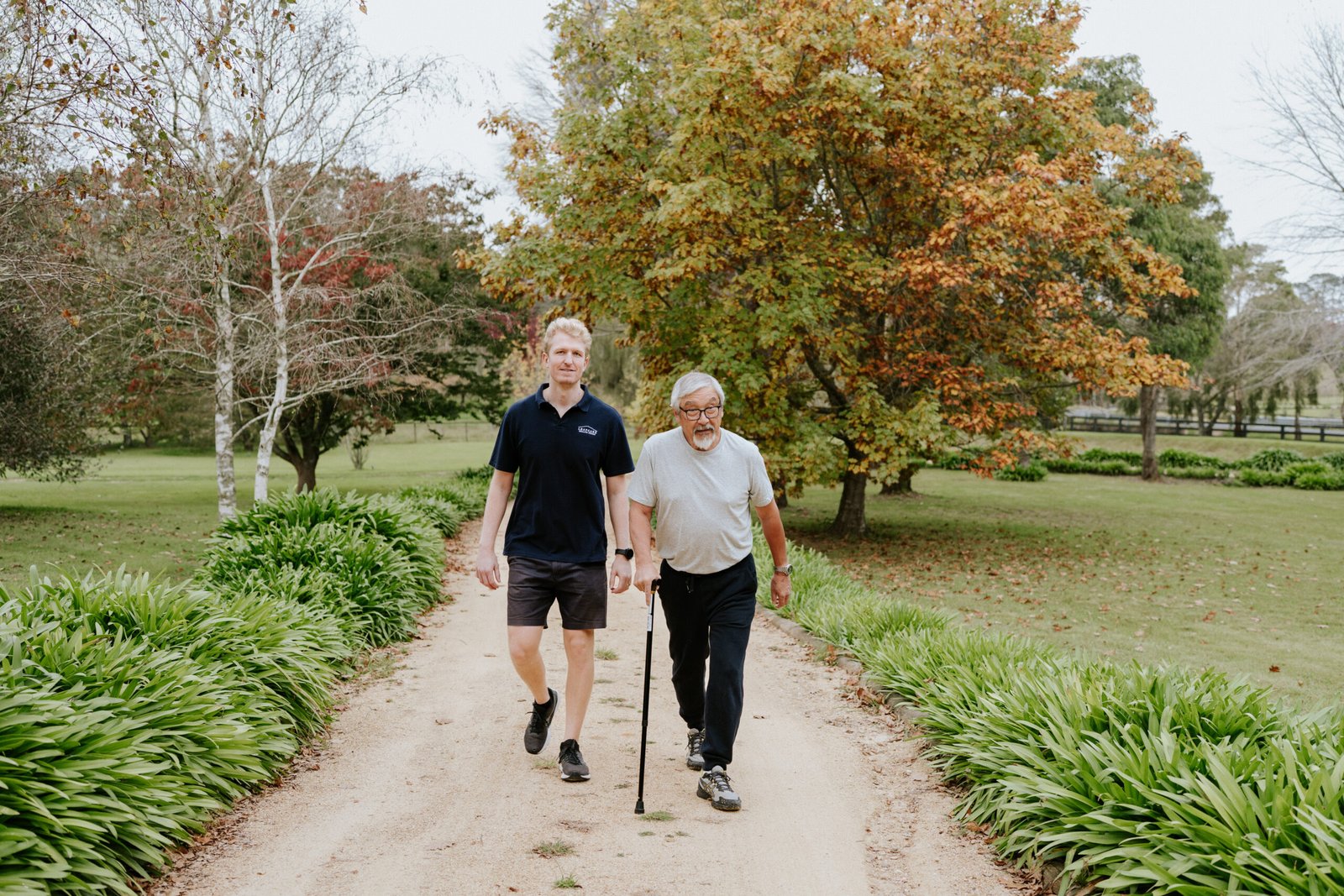
Physiotherapy during cancer treatment focuses on keeping people as strong, mobile and comfortable as possible. That might mean managing pain, addressing postural changes after surgery, working on fatigue, or helping someone maintain enough physical function to keep doing the things that matter to them.
After treatment ends, the role shifts toward recovery and rebuilding. Regaining strength. Improving endurance. Addressing any ongoing physical complications. For people who’ve had surgery involving lymph nodes, physiotherapists with specialist training can also support lymphoedema management, which is an area where early intervention makes a real difference.
Exercise Physiology
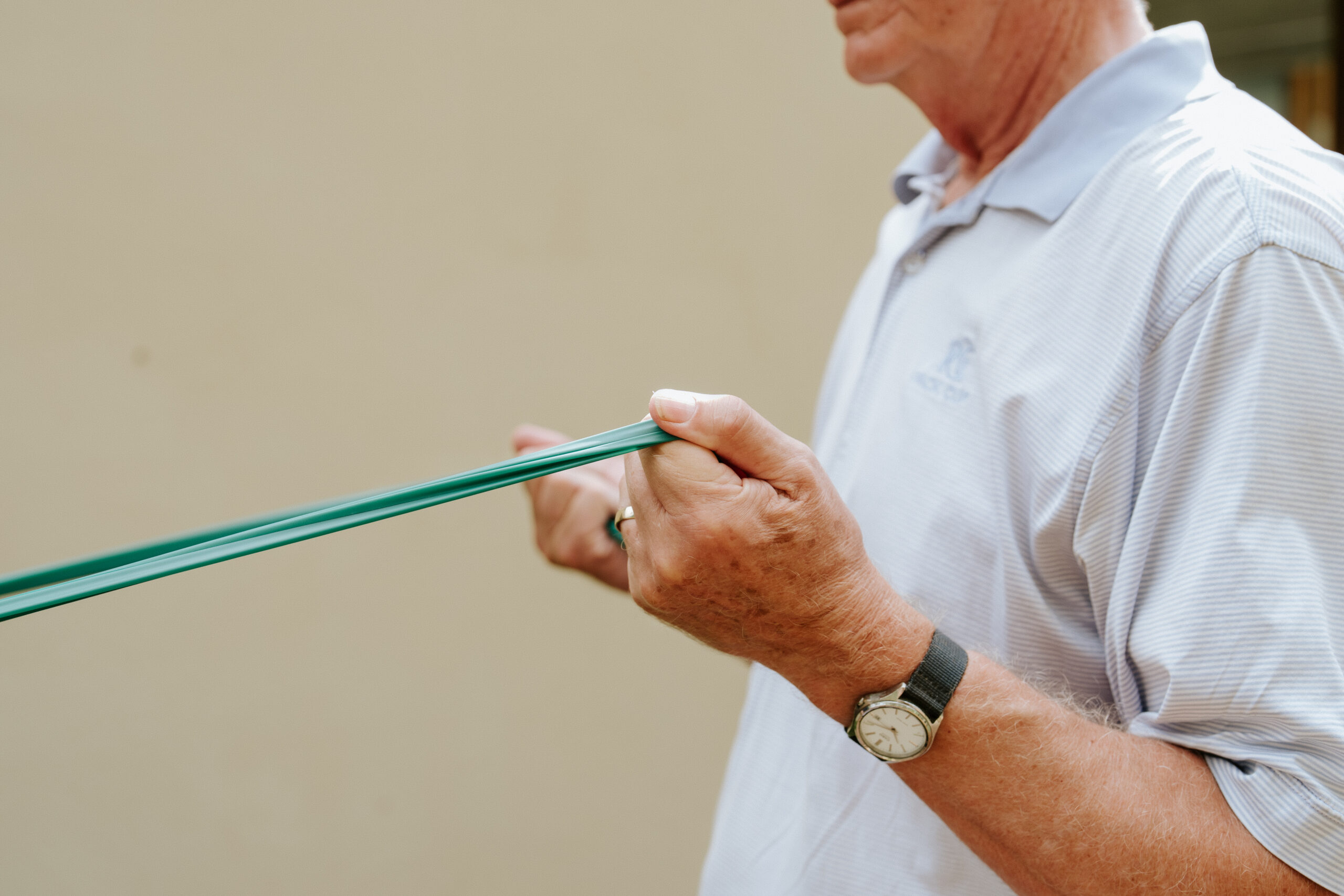
The evidence for exercise during cancer treatment has grown significantly over the past decade. Regular, appropriately prescribed physical activity has been shown to reduce fatigue, improve mood, support immune function and in some cases influence treatment outcomes. Exercise is no longer considered something to avoid during cancer care. It’s increasingly seen as part of it.
Exercise physiologists design programs that account for where someone is in their treatment, how they’re feeling day to day, and what their body can realistically handle. Getting the program right is what makes exercise beneficial rather than counterproductive.
Occupational Therapy
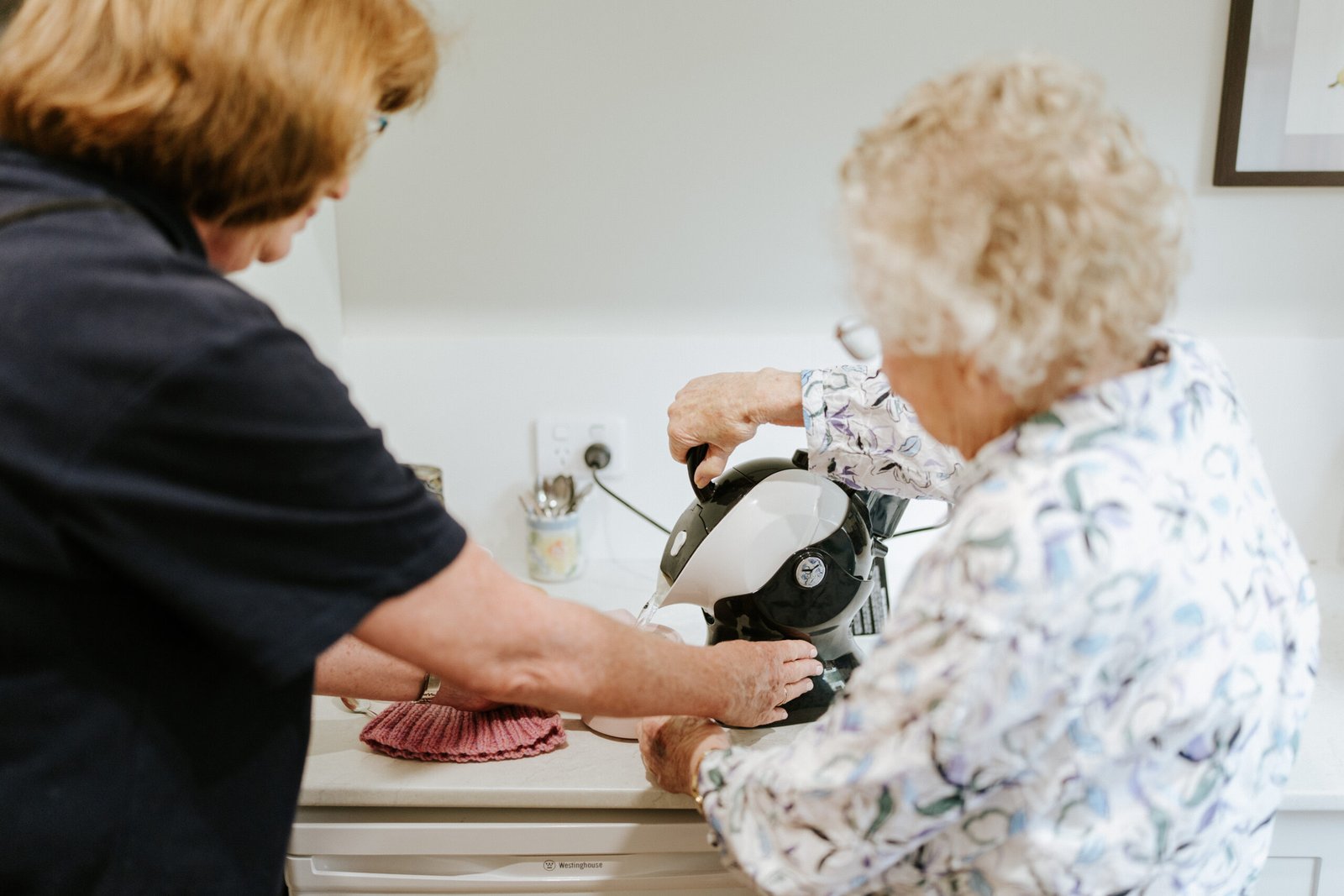
Cancer and its treatment can affect a person’s ability to manage daily life. Energy levels, concentration, fine motor skills, the ability to carry out routine tasks at home. Occupational therapists work with people to maintain as much independence and function as possible, adapting tasks and environments to match what someone can do right now, with a view to building back over time.
For people living alone or with limited support networks, this kind of practical help can be the difference between managing at home and needing a higher level of care.
The role of community
Beyond the clinical, community matters enormously during a cancer journey. Isolation is common, and the research on loneliness and health outcomes is hard to ignore. Community connections, whether through support groups, local services, regular allied health visits or simply having people show up consistently, play a real role in how people cope and recover.
Home-based care has a particular value here. When a physiotherapist or exercise physiologist visits regularly, it’s not just the exercise or the treatment that helps. It’s the consistency, the relationship, and the fact that someone is showing up and paying attention to how that person is doing.
What this looks like at LeapCare
We work with a number of clients who are either in active treatment or recovering from it. All of our services are delivered in the home, which for someone managing fatigue or limited mobility makes a practical difference from the start.
We collaborate with GPs, oncologists and other members of the care team to make sure our work fits into the broader plan rather than sitting beside it. If you have a loved one or a client going through treatment or in recovery who you think could benefit from allied health support, reach out.