Diabetes touches almost every part of daily life. How you move, how you sleep, how your body feels from one day to the next. Managing it well rarely comes down to one thing, and in my experience, the people who do best have a team around them.
More than medication
The clinical side of diabetes management, monitoring blood sugar, adjusting medication, managing diet, is essential. But for a lot of people the harder challenge is the day to day. Staying active when energy is low. Maintaining independence as things change. Managing pain. Keeping up with the kind of consistent movement that actually shifts outcomes over time.
This is where allied health comes in. Physiotherapy, exercise physiology and occupational therapy each have a distinct role, and together they can address the physical, functional and environmental factors that medication alone can’t reach.
Physiotherapy
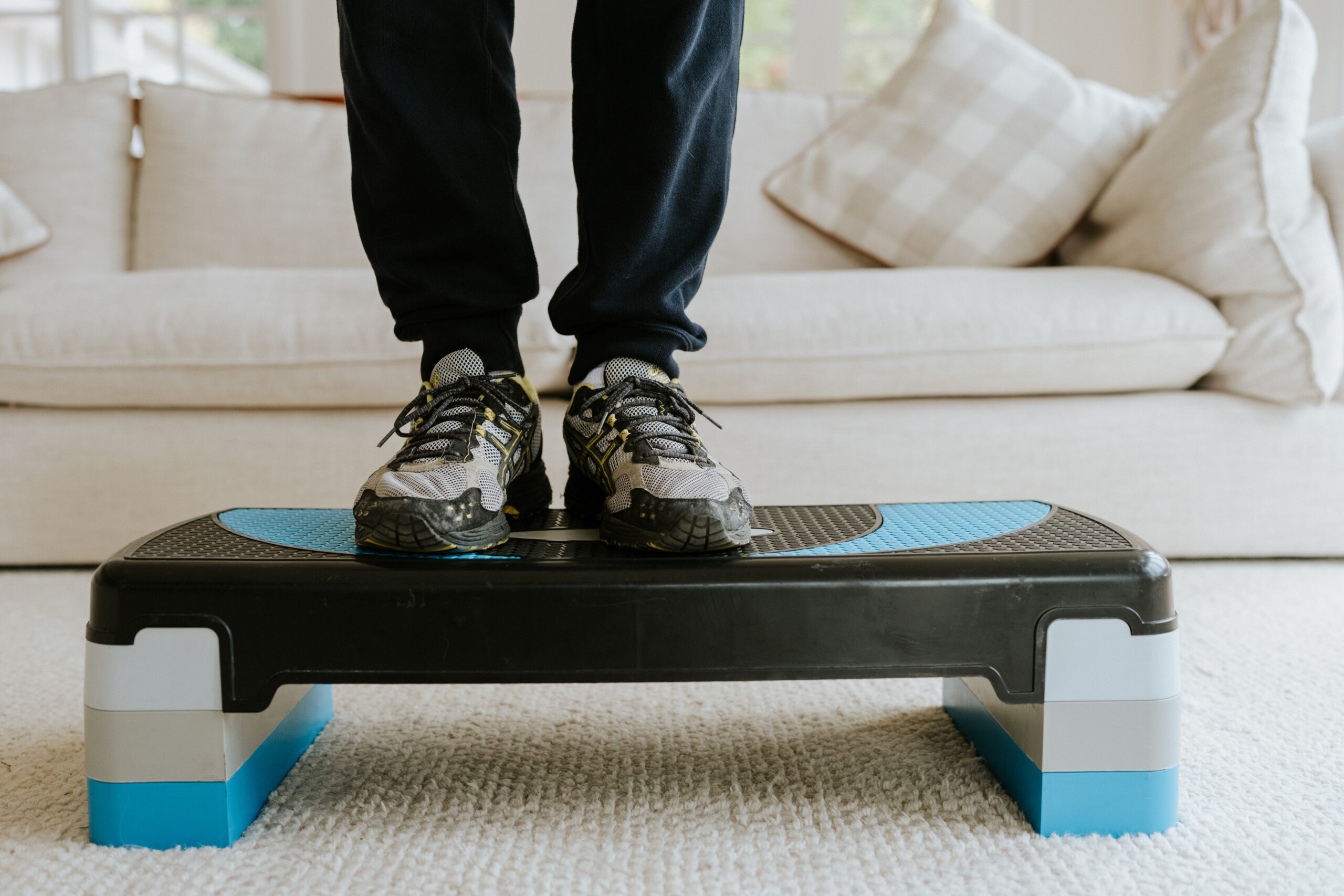
Diabetes increases the risk of a range of musculoskeletal problems. Joint stiffness, peripheral neuropathy, foot complications and reduced balance are all things we see regularly. Physiotherapists can address pain and mobility directly, design safe exercise programs, and help manage the complications that make staying active harder. For people dealing with neuropathy or balance issues, falls prevention becomes an important part of the picture too.
Exercise Physiology
Exercise physiologists specialise in designing and supervising structured exercise programs for people with chronic conditions. For someone with diabetes this means a program built around their specific situation, accounting for medication, current fitness, and the kind of energy fluctuations that can make exercise feel unpredictable. The goal is consistency, confidence and measurable improvement over time.
Occupational Therapy
For people managing diabetes alongside other health challenges, occupational therapists can assess the home environment, support with daily tasks that have become difficult, and help put practical systems in place. Whether that’s building a self-management routine or modifying the home to reduce risk.
Why home-based care matters
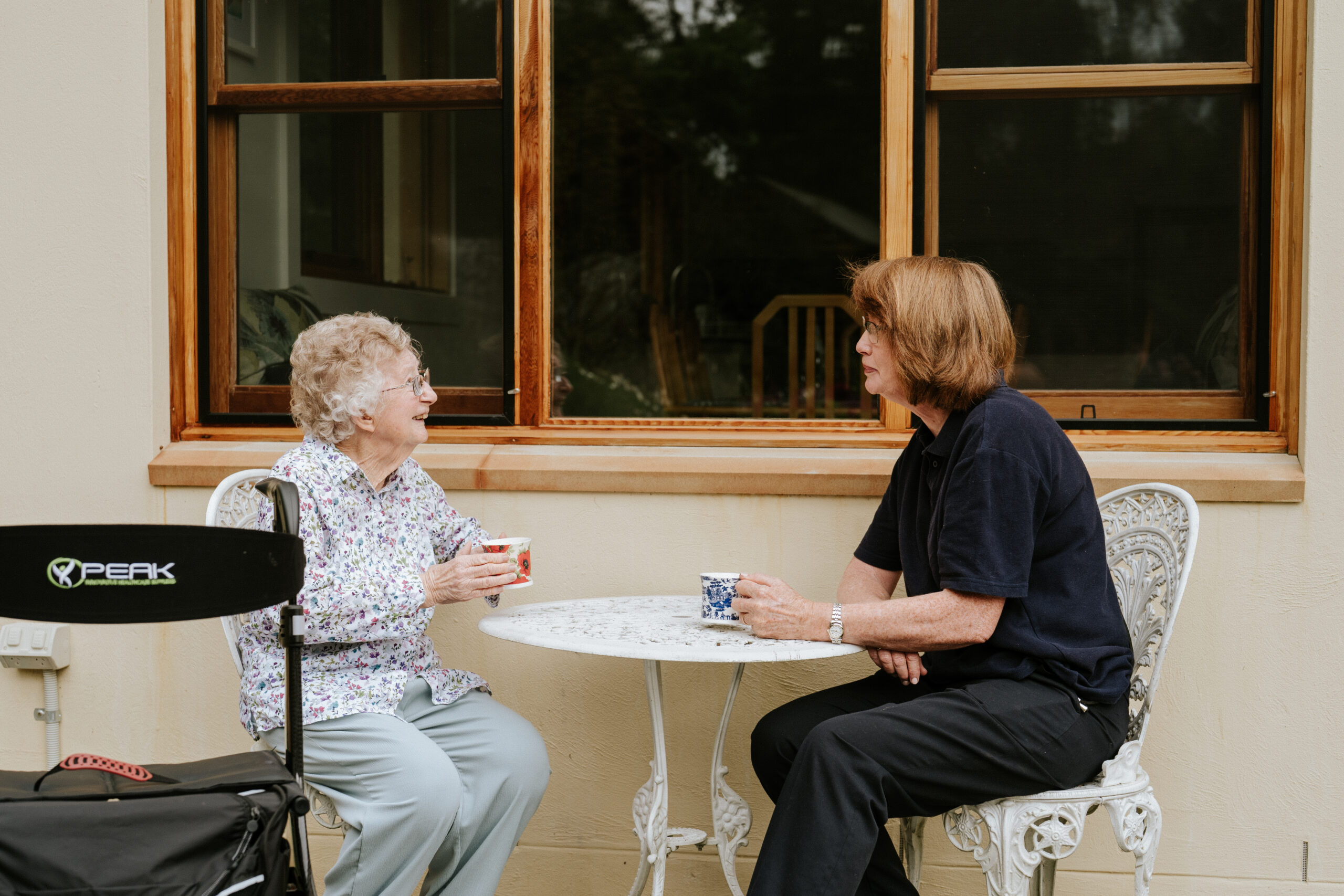
For a lot of people with diabetes, getting to a clinic or gym is itself a barrier. Fatigue, transport, mobility challenges and the general load of managing a chronic condition can make consistent attendance hard to maintain. Home-based care removes that barrier. The program comes to the person, in the environment they actually live in, which also means it can be built around what’s real rather than what’s ideal.
At LeapCare all of our services can be delivered in the home. We work with clients across Sydney who are managing diabetes alongside a range of other health goals, and we collaborate closely with GPs and specialists to make sure our work fits the bigger picture.
If you have a client who could benefit from allied health support as part of their diabetes management, reach out. We’re happy to talk through what that might look like.