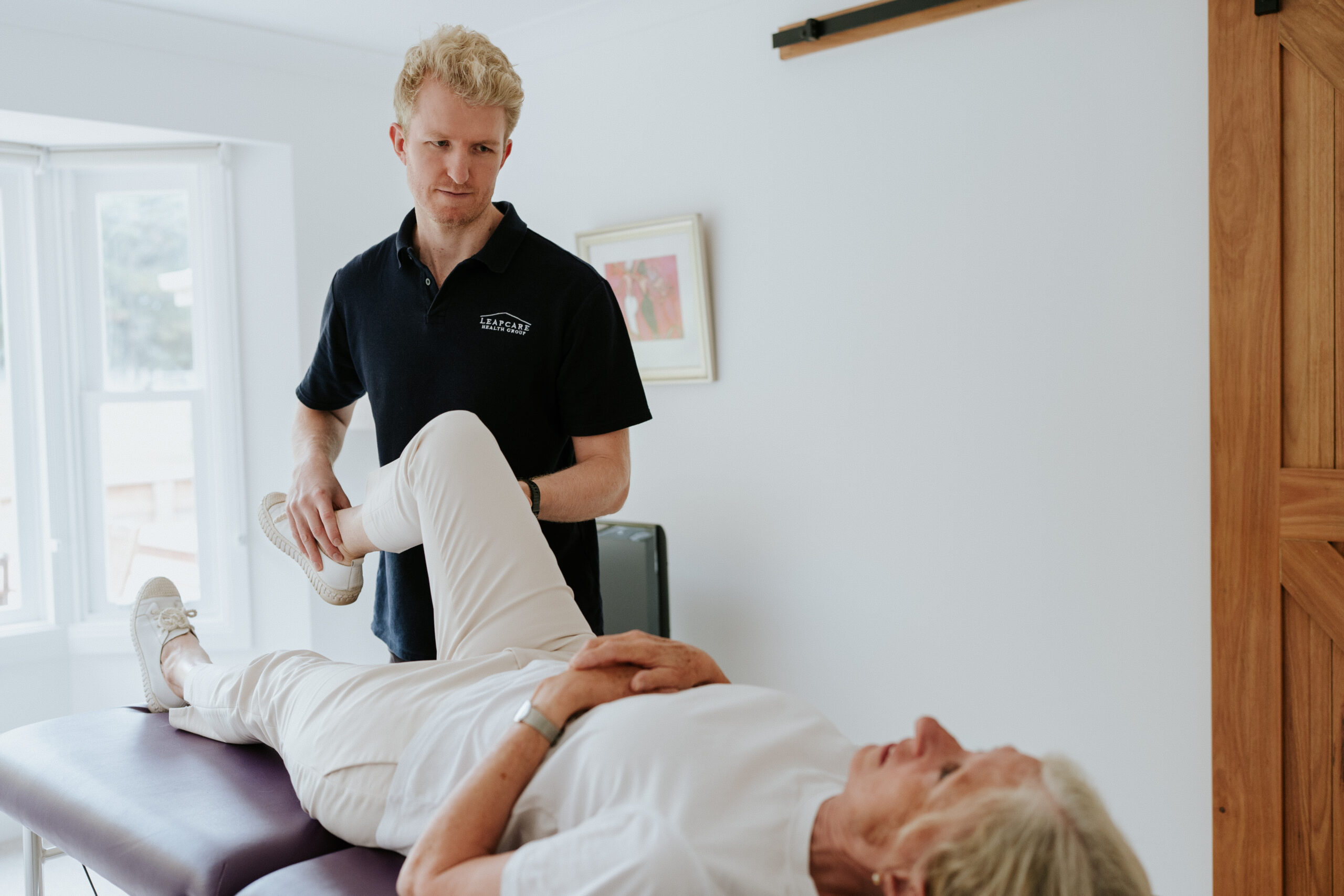

The Limitations of One-Off Appointments
It’s common to seek physiotherapy when pain becomes disruptive, attend a session or two, and stop once symptoms ease. While this approach can provide temporary relief, it often doesn’t resolve the underlying cause of the problem. Pain reduction is only one part of rehabilitation — without addressing strength, movement patterns, and contributing factors, symptoms are likely to return.
Progress Takes Time
Physiotherapy is a process. Muscles, joints, and nervous systems need time and repetition to adapt. Follow-up sessions allow your physiotherapist to reassess how your body is responding, gradually progress exercises, and modify treatment as your function improves. This step-by-step approach is essential for safe and sustainable recovery.
Preventing Recurrence and Injury
Ongoing physiotherapy focuses on preventing future issues, not just treating current pain. By identifying poor movement habits, muscle imbalances, or environmental factors, your physio can help reduce the risk of re-injury. This is particularly important for people with recurring back pain, joint issues, or long-term conditions.
Education and Accountability
Regular appointments provide ongoing education about posture, activity levels, and safe movement strategies for daily life. They also offer accountability, helping you stay consistent with exercises and lifestyle changes that support long-term health.
A Long-Term Approach at LeapCare
At LeapCare Health Group, we view physiotherapy as a partnership. Follow-up sessions ensure care evolves as you do, helping you move better, stay active, and maintain independence well beyond initial symptom relief.