Access to movement and exercise is essential for physical and mental wellbeing, yet many traditional fitness programs are not designed with disability in mind. For people living with physical, neurological, or cognitive impairments, barriers such as inaccessible environments, rigid programs, or fear of injury can make staying active challenging. Fortunately, technology is helping bridge this gap.
How Fitness Apps Improve Accessibility
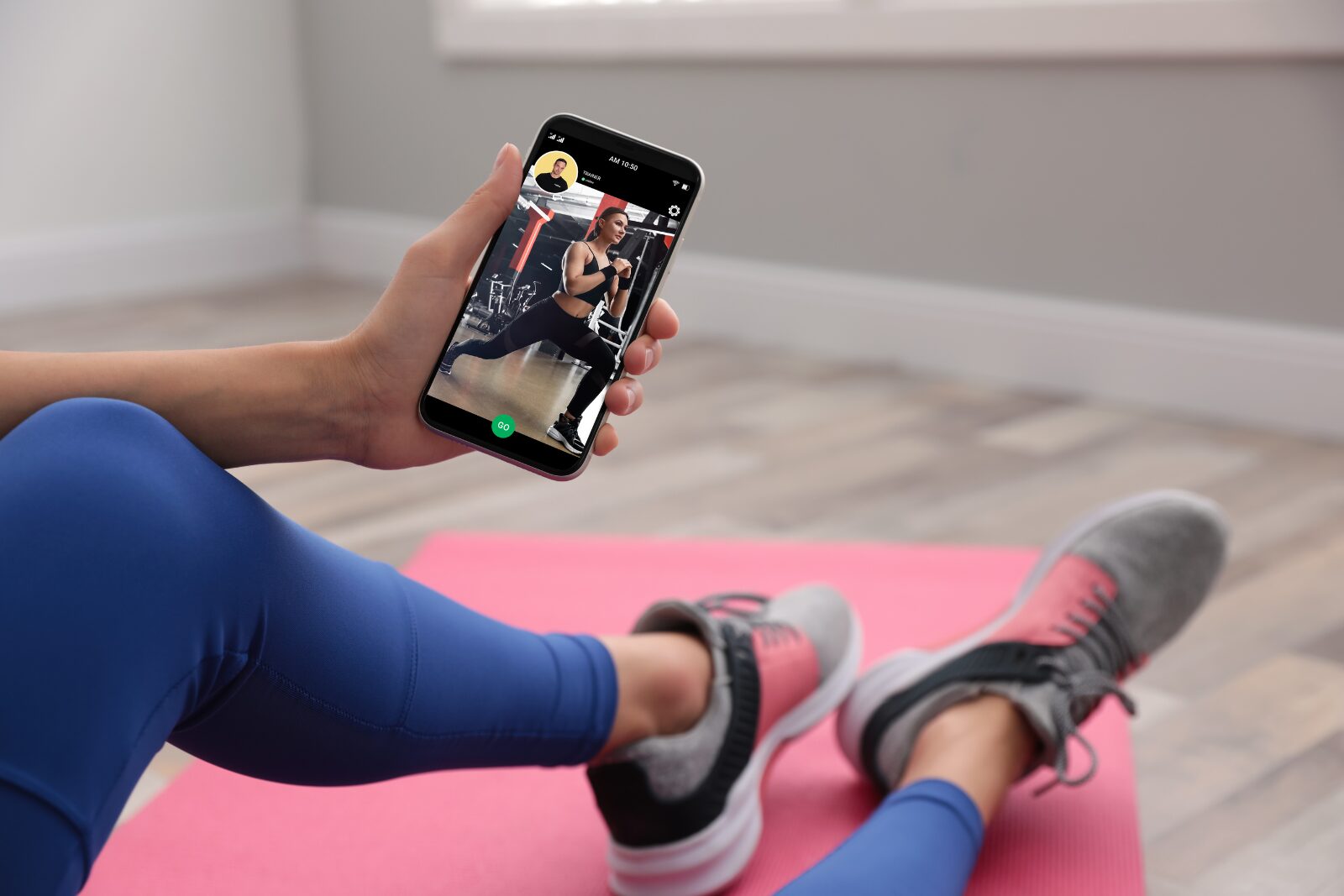
Many modern fitness apps are now designed with accessibility at their core. Features such as seated workouts, adaptive strength programs, adjustable intensity levels, audio cues, and clear visual demonstrations allow people to exercise safely and confidently at home. Some apps also offer slower pacing, minimal equipment requirements, and simple navigation — all of which support independence.
For individuals with fluctuating energy levels or mobility limitations, the ability to pause, repeat, or modify exercises makes a significant difference.
The Importance of Individualisation
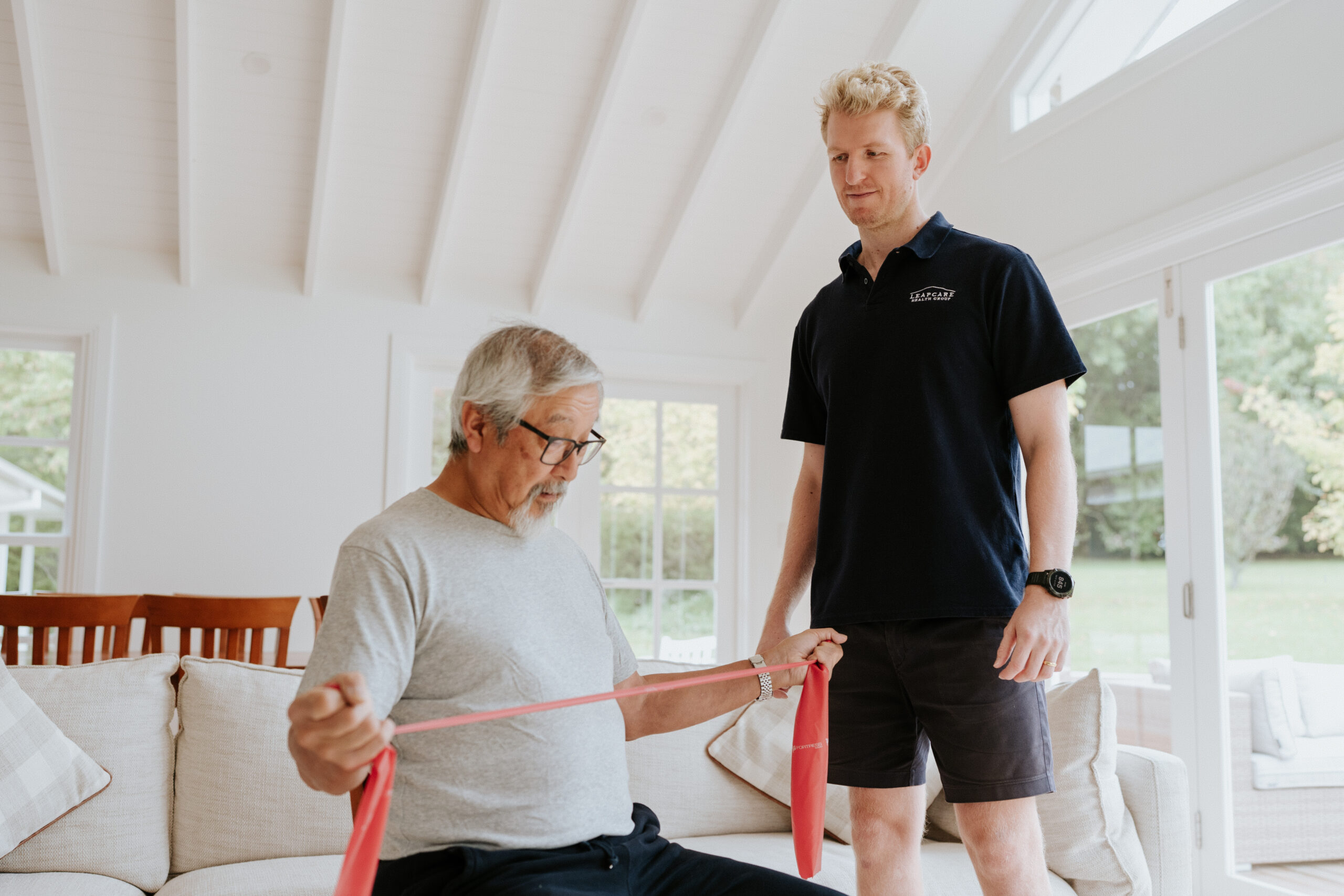
While accessible apps can be empowering, not every exercise suits every body. A movement that works well for one person may increase pain or fatigue for another. This is where physiotherapy plays a crucial role.
Physiotherapists can help identify which apps and exercises are appropriate, modify movements where needed, and ensure the program aligns with rehabilitation goals, functional needs, and safety considerations.
Supporting Long-Term Engagement
One of the biggest benefits of fitness apps is consistency. Having guided sessions readily available encourages regular movement, which is key for maintaining strength, balance, and cardiovascular health.
When used alongside physiotherapy support, accessible fitness apps can become a powerful tool for building confidence, independence, and long-term health.