At-home exercise has become a long-term solution for many people, but without structure, motivation or guidance, routines often fall apart. A sustainable at-home workout plan isn’t about doing more — it’s about doing what works for your body, lifestyle, and goals.
Start With Purpose
The most effective workout plans are goal-driven. Whether your aim is improving strength, managing pain, enhancing balance, or staying active as you age, your exercises should reflect that purpose. Random workouts often lead to inconsistent results or injury.
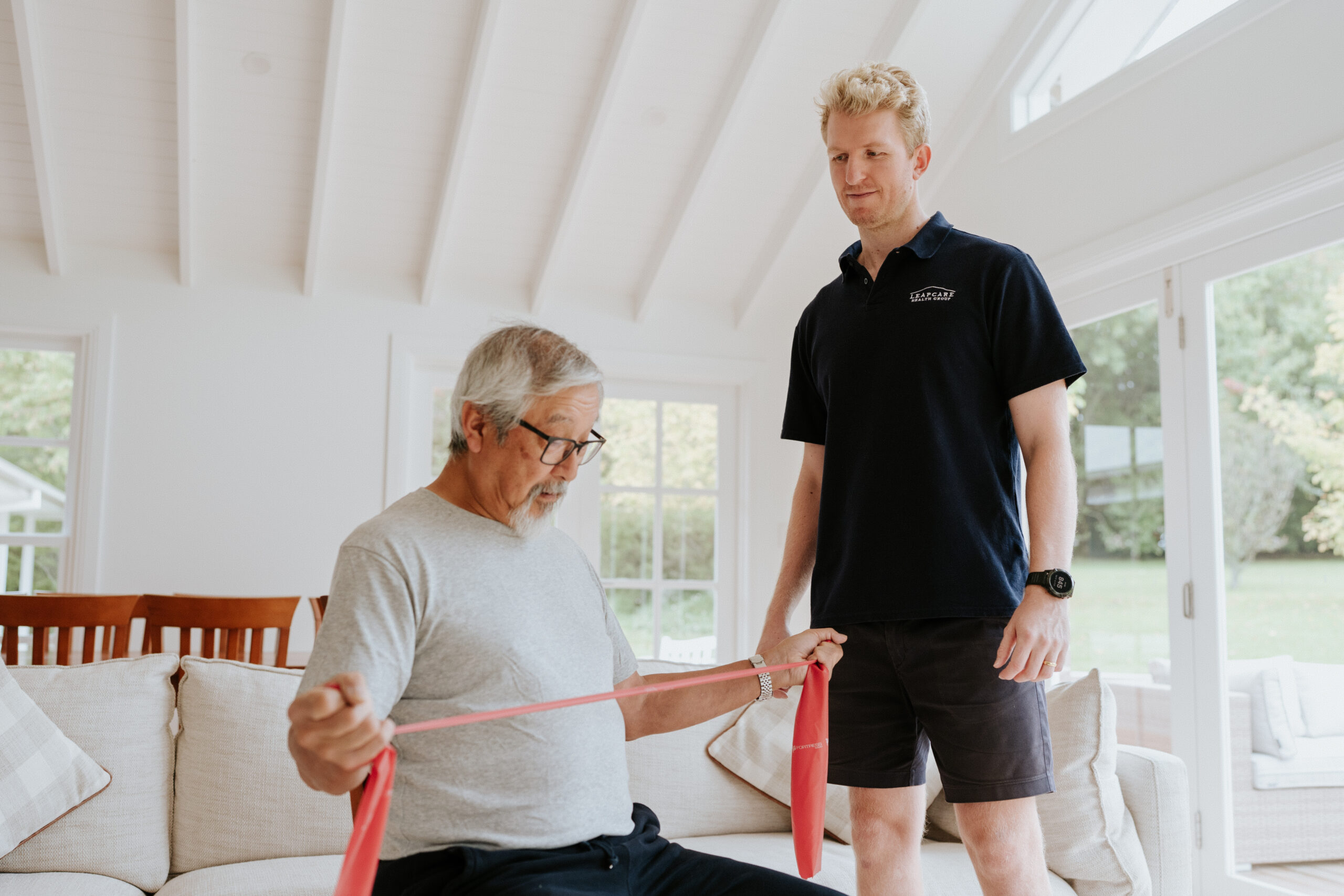
A physiotherapist or exercise physiologist can help identify your movement needs and design a plan that supports daily function rather than just fitness.
Keep It Simple and Realistic
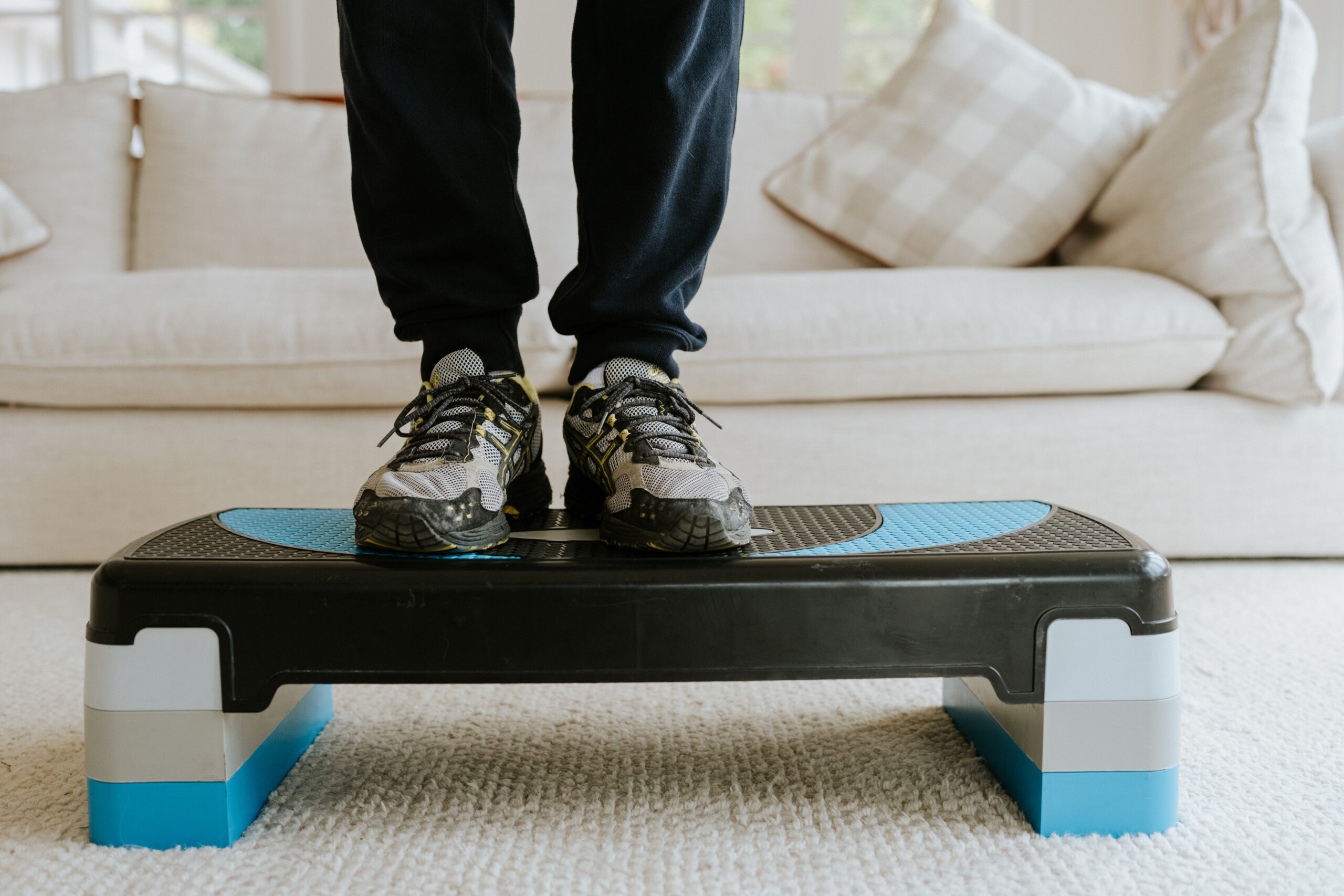
Sustainability comes from simplicity. Choose exercises that require minimal equipment and space, and focus on movements you can perform safely. Shorter, more frequent sessions are often more effective than infrequent long workouts.
Plans that fit easily into daily routines are far more likely to be maintained over time.
Build Progress Gradually
Progression is essential, but it should be gradual. Increasing repetitions, resistance, or complexity slowly allows the body to adapt without overload. Regular check-ins with a physiotherapist or exercise physiologist can help ensure your plan evolves as your strength and confidence improve.
Why Support Matters
Professional guidance helps prevent plateaus and setbacks. With the right plan, at-home exercise becomes a reliable tool for long-term health rather than a short-lived habit.