Australia has a reputation for sunshine, but winter tells a different story — particularly in Sydney and further south. Shorter days, cooler temperatures, and more time spent indoors mean that many Australians don’t get as much sun exposure as they think during the cooler months. For bone health, this matters more than most people realise.
Why Vitamin D Matters
Vitamin D plays a central role in calcium absorption. Without adequate levels, the body cannot effectively use the calcium consumed through food, regardless of how much dairy or leafy greens are in the diet. Over time, low vitamin D contributes to reduced bone density, increasing the risk of fractures and conditions such as osteoporosis.
Beyond bone health, vitamin D is also linked to muscle function, immune regulation, and mood. Deficiency is associated with muscle weakness and an increased risk of falls — particularly relevant for older adults.
The Australian Winter Gap
Despite living in a sunny country, vitamin D deficiency is surprisingly common in Australia, especially during winter. In Sydney, the sun sits lower in the sky between May and August, reducing the UV index to a level that may be insufficient for adequate vitamin D synthesis — particularly for people who work indoors, cover up in the cold, or have darker skin tones that require longer sun exposure to produce the same amount of vitamin D.
How Much Sun Do You Actually Need?
Requirements vary based on skin tone, age, location, and time of day. As a general guide, a few minutes of sun exposure to the face, arms, and hands around midday on most days may be sufficient for lighter skin tones during winter. Those with darker skin, limited sun access, or higher risk factors may need significantly more — or may benefit from supplementation.
Supporting Bone Health Beyond Sunlight
Vitamin D is only one part of the picture. Bone health also depends on:
- Calcium intake through dairy products, fortified foods, leafy greens, and fish with soft bones.
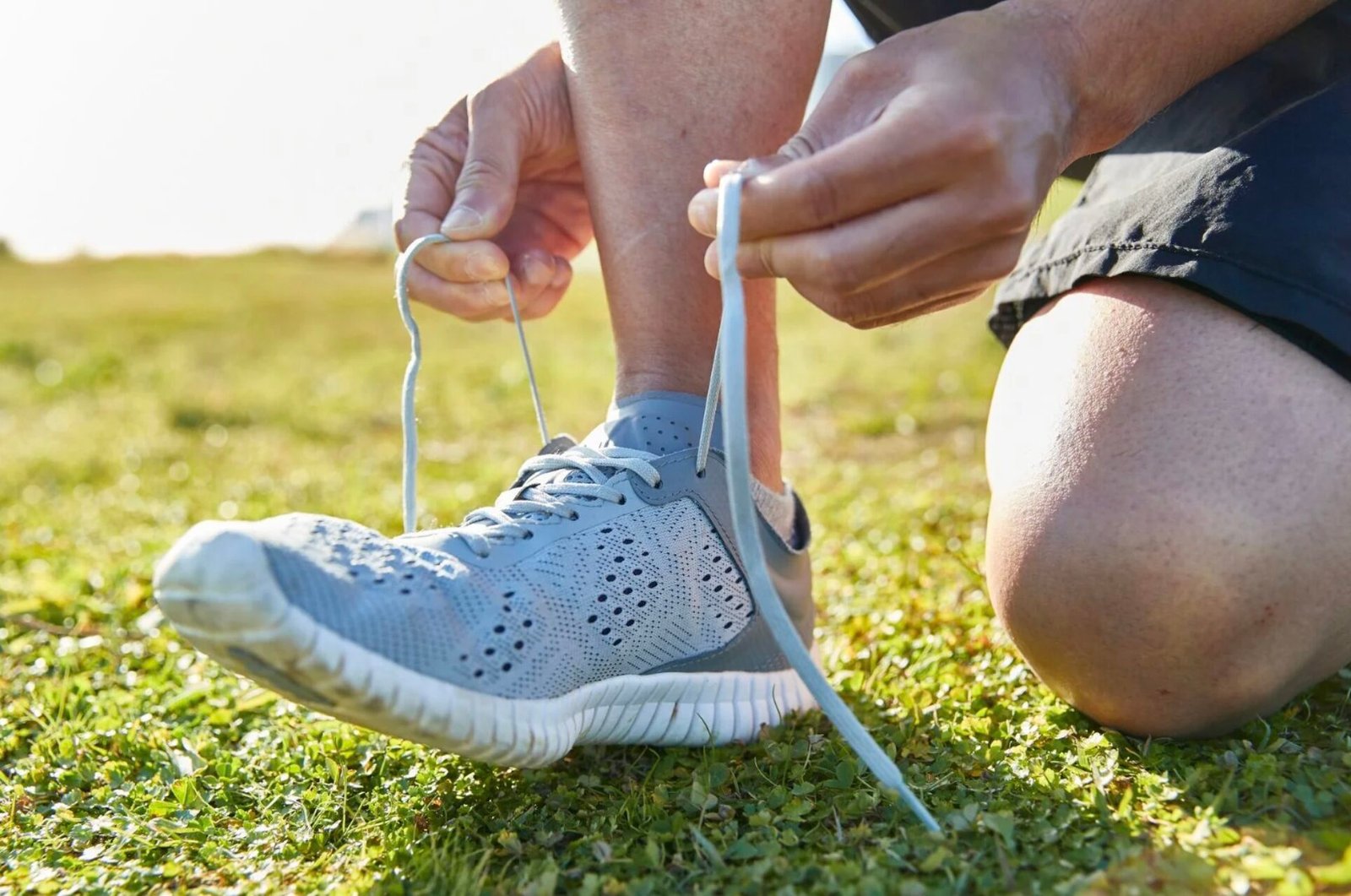
- Weight-bearing exercise such as walking, resistance training, and impact activities that stimulate bone remodelling and help maintain density.
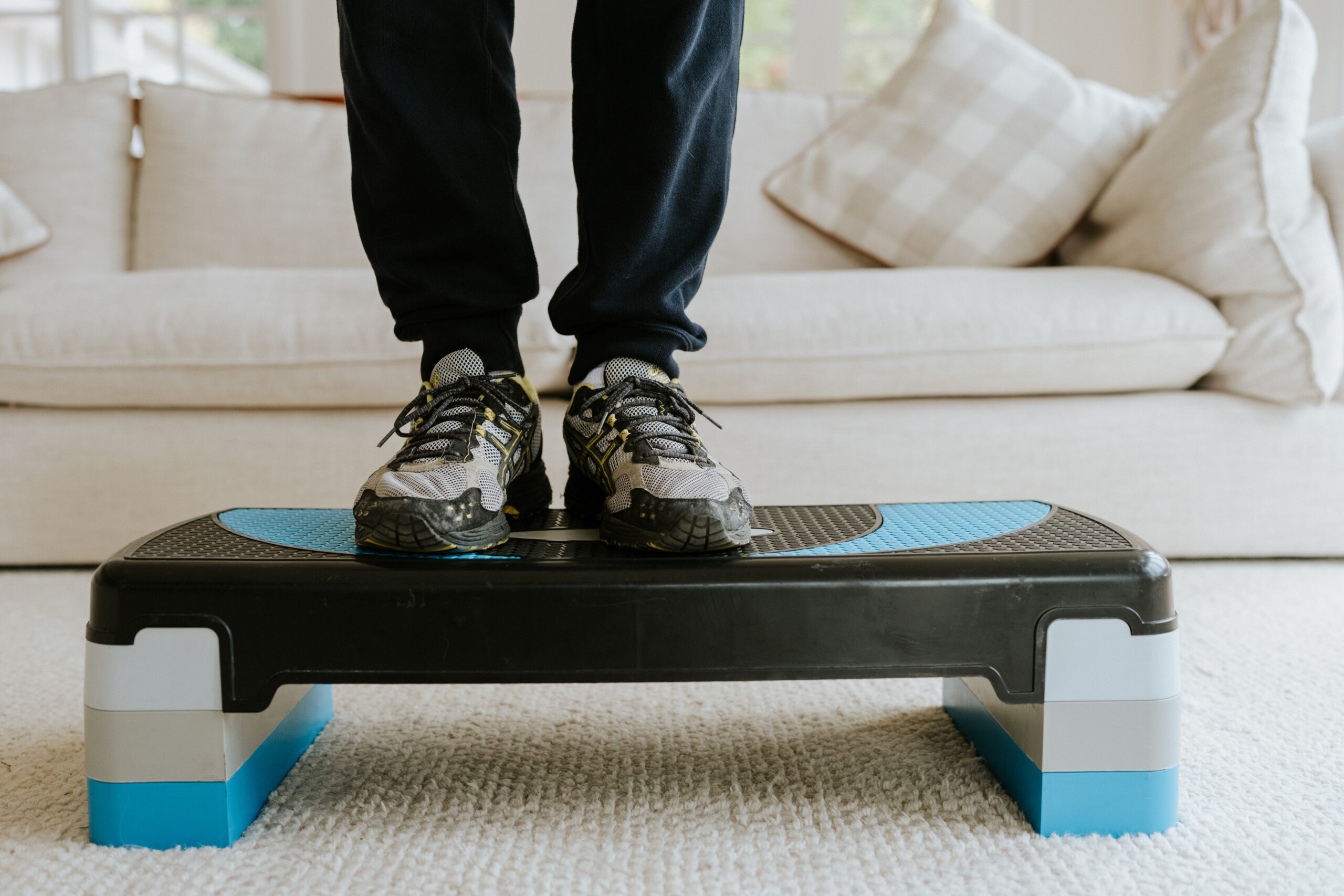
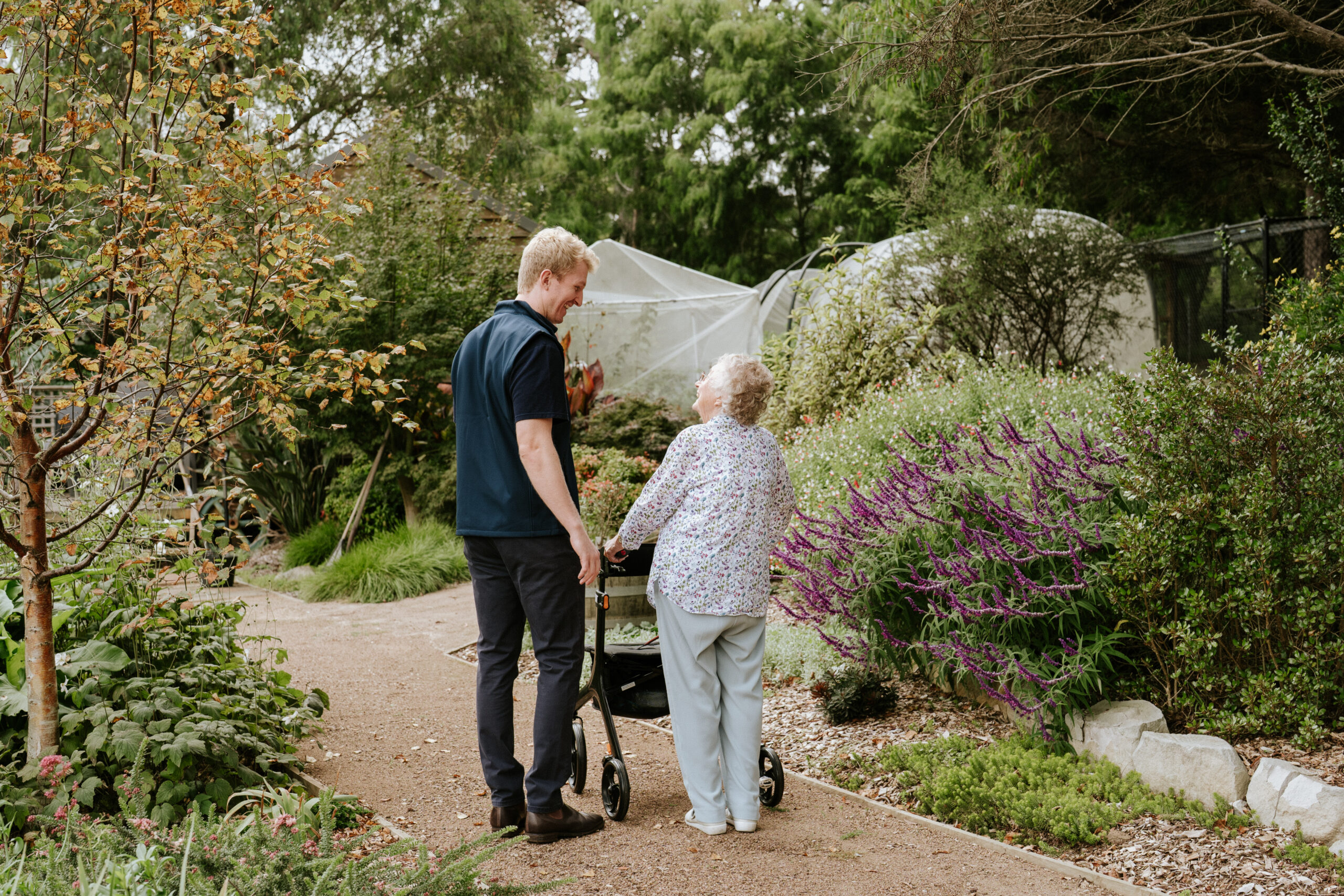
- Reducing fall risk through balance training, strength work, and home safety — particularly important for older adults where a single fall can have serious consequences.
When to Get Tested
If you spend most of your time indoors, have limited sun exposure, or belong to a higher-risk group, a simple blood test through your GP can confirm your vitamin D status. Supplementation is widely available and effective, but the appropriate dose varies between individuals and is best guided by your GP.
How LeapCare Can Help
Our exercise physiologists and physiotherapists work with people managing osteoporosis, low bone density, and fall risk. We can help you build a safe, effective exercise program that supports bone health and keeps you strong and steady through winter and beyond.
Contact LeapCare Health Group to book an appointment.