Physiotherapy has always been hands-on, but today’s rehab landscape is increasingly supported by technology. These tools don’t replace the clinical skills of a physiotherapist — instead, they enhance assessment, treatment planning, and long-term outcomes.
Advanced Assessment Tools
Digital tools such as movement sensors, balance platforms, and strength-testing devices allow physios to objectively measure how the body moves. These assessments provide detailed insight into gait patterns, joint stability, balance reactions, and muscle performance.
This data helps identify subtle deficits that may not be obvious during observation alone and allows progress to be tracked over time with accuracy.
Digital Exercise Prescription
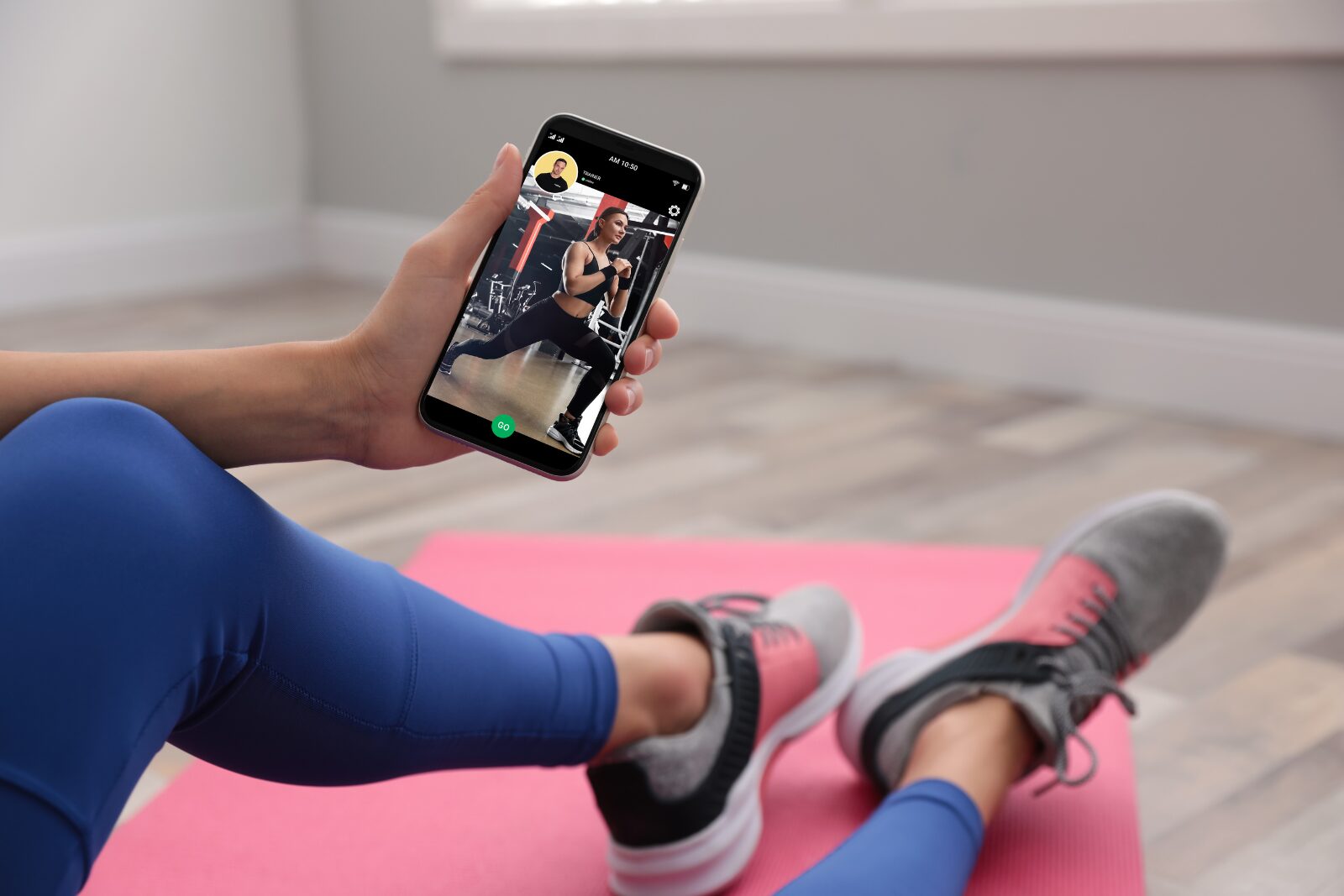
Exercise prescription apps have transformed home rehabilitation. Instead of paper handouts, clients receive personalised programs with video demonstrations, clear instructions, and progression tracking.
This improves confidence, reduces uncertainty, and helps clients stay consistent between sessions — a key factor in successful rehab.
Telehealth and Hybrid Care
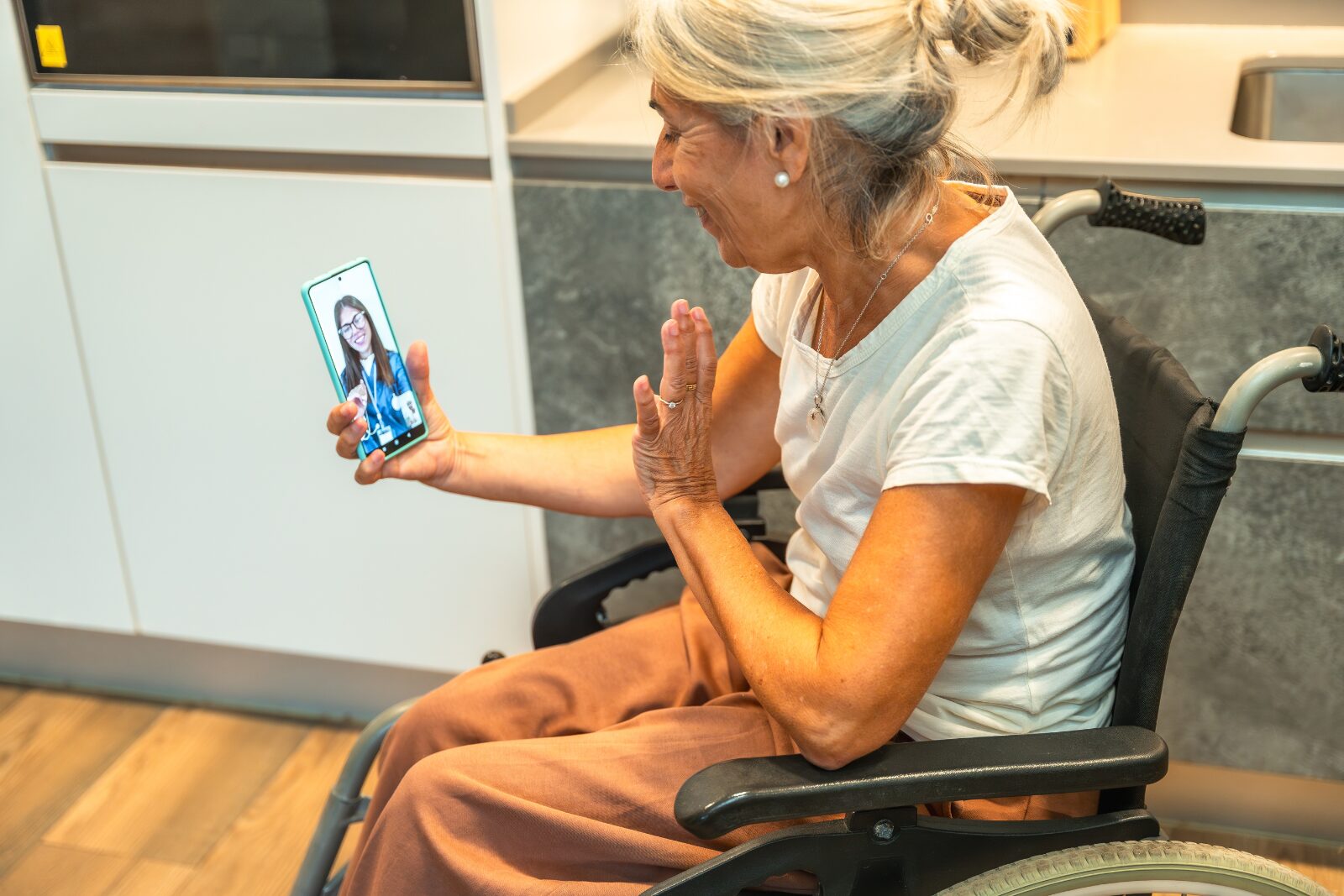
Telehealth has expanded access to physiotherapy, particularly for clients with mobility challenges, busy schedules, or those living independently at home. Video sessions allow physios to assess movement, review exercises, and provide education without compromising care.
Why Technology Matters
Technology allows physiotherapy to be more personalised, measurable, and accessible. When combined with hands-on treatment and clinical expertise, it supports safer rehab and better long-term outcomes.